
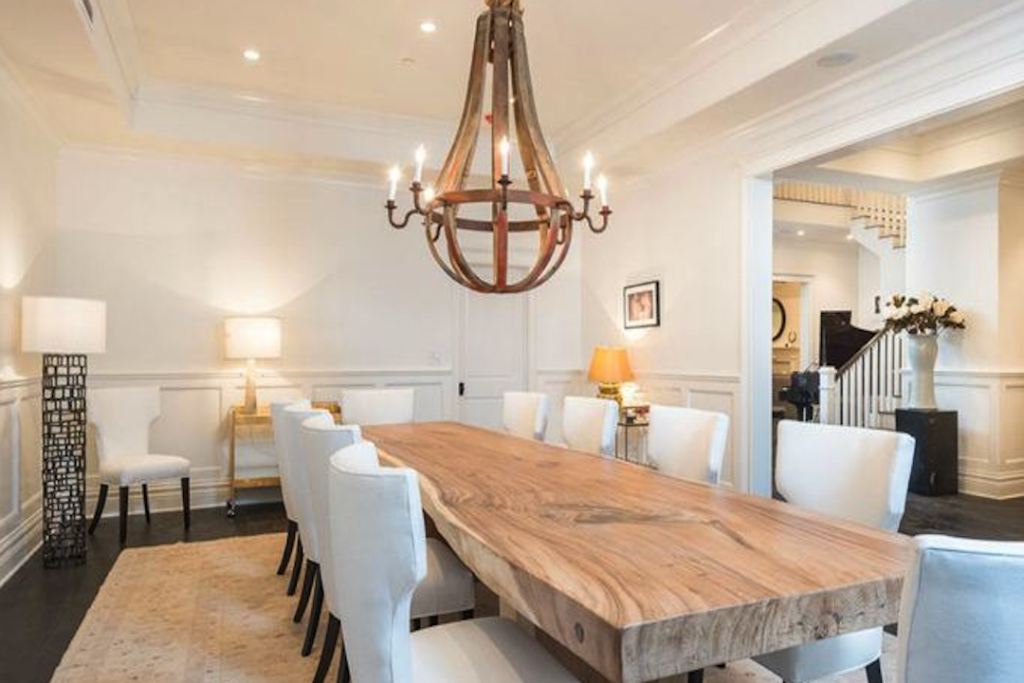
Solid wood chandeliers offer a distinct approach to interior illumination. Unlike their metal or crystal counterparts, they introduce a natural element, imbuing spaces with warmth and organic character. This article will explore the various facets of incorporating solid wood chandeliers into interior design.
The selection of wood for a chandelier Villenas is a foundational decision. Different wood species possess unique characteristics that influence the aesthetic, durability, and maintenance of the fixture.
Species and Their Properties
- Oak (Quercus spp.): Known for its strength and prominent grain patterns, oak offers a robust and classic appearance. Its durability makes it suitable for more substantial chandelier designs. Red oak and white oak are common selections, each with subtle variations in color and grain. Oak can be stained to achieve a wide spectrum of finishes, from light honey tones to deep, rich browns, allowing for adaptability to various decor styles. Its natural hardness means it can withstand the demands of daily life, making it a practical choice for high-traffic areas.
- Walnut (Juglans spp.): Walnut is prized for its deep, lustrous color and intricate grain. It lends an air of sophistication and luxury to any setting. Its natural oils provide a degree of inherent protection. Dark walnut, in particular, can provide a striking contrast in lighter-toned rooms, acting as a visual anchor. The tight, fine grain of walnut often lends itself to more detailed carving and intricate designs, though a simpler, polished finish can also be highly effective in showcasing its natural beauty.
- Maple (Acer spp.): Maple offers a lighter, more neutral palette with a subtle, often wavy grain. It is a versatile wood that readily accepts stains, allowing for a broad range of color customization. Its smooth texture makes it a good candidate for painted finishes, opening up possibilities for contemporary or eclectic designs. Hard maple is particularly durable and resistant to wear, making it suitable for areas where longevity is a concern. The subtle shimmer in some maple varieties, known as “flame maple” or “tiger maple,” can add an unexpected visual interest.
- Pine (Pinus spp.): Pine is a more accessible and often more rustic option. Its knots and distinct grain patterns contribute to a natural, informal aesthetic. While softer than oak or maple, it can be successfully sealed and finished for durability. It is a popular choice for farmhouse, cabin, or country-style interiors. The character of pine lies in its imperfections; the knots are often embraced as part of its charm, adding to its story. Modern treatments and finishes can elevate pine beyond its rustic origins, allowing it to find a place in transitional or even some more contemporary spaces.
- Exotic Woods (e.g., Teak, Mahogany): These woods, while less common for chandeliers due to cost and availability, offer unique colors and grain patterns. Teak, with its natural oils, is highly resistant to moisture and decay, making it a durable choice. Mahogany, known for its reddish-brown hue and fine grain, brings a sense of opulence. Their inclusion often elevates a chandelier from a mere light source to a statement piece, a work of art in itself.
Wood Finishes and Their Impact
The finish applied to the solid wood significantly alters its appearance and protective qualities.
- Natural Oil Finishes: These penetrate the wood, enhancing its natural color and grain while offering a matte or satin sheen. They provide a tactile experience, allowing the user to feel the wood’s texture. Oil finishes are often considered to be more eco-friendly and easier to repair than varnishes, as they can be reapplied without extensive sanding.
- Lacquer and Varnish: These create a durable, protective layer on the surface of the wood, providing a high-gloss or satin finish. They offer greater resistance to moisture and stains. The choice between high-gloss, satin, or matte lacquer can dramatically change the perceived formality of the chandelier. A high-gloss finish can reflect more light, adding to the overall brightness of the room, while a matte finish can absorb light, creating a softer ambiance.
- Stains: Stains are used to alter the wood’s color. They range from subtle tints that highlight the existing grain to deep, opaque colors that mask the natural wood. The effectiveness of a stain depends on the wood species; some woods accept stain more uniformly than others. The layering of stains or the use of glazes can create complex, nuanced colors.
- Paints and Distressed Finishes: Painting wood allows for complete color customization, from bold hues to muted pastels. Distressed finishes, achieved through techniques like sanding or waxing, can impart a vintage or antique look. A painted wood chandelier can seamlessly integrate into a modern or eclectic design, offering a pop of color or a subtle textural element.
The Aesthetic and Atmospheric Contributions of Solid Wood Chandeliers
Solid wood chandeliers are not merely functional objects; they are design elements that shape the ambiance of a room. Their natural characteristics contribute to a unique visual and tactile experience.
Introducing Organic Warmth and Texture
The inherent texture of wood provides a tactile dimension often absent in other lighting fixtures. The grain patterns, knots, and natural imperfections create visual interest, making each chandelier a singular piece. This organic quality can soften the lines of modern furniture or complement the richness of traditional decor. The warmth that wood emanates is not solely a visual phenomenon; it is an association with nature, with comfort, and with a sense of groundedness. This can be particularly impactful in spaces that might otherwise feel stark or overly formal.
Creating a Focal Point and Statement Piece
A well-chosen solid wood chandelier can serve as the primary focal point in a room, drawing the eye and setting the tone for the entire design. Its scale, shape, and the type of wood used all contribute to its impact. A large, intricately carved oak chandelier might anchor a grand dining room, while a smaller, more minimalist walnut piece could add subtle elegance to a bedroom. The chandelier becomes a silent narrator of the room’s personality, a piece that sparks conversation and reflects the homeowner’s aesthetic sensibilities. It acts as a crown for the space, a piece of jewelry that elevates the entire ensemble.
Enhancing Diverse Interior Design Styles
The versatility of solid wood makes it adaptable to a wide array of design aesthetics.
- Rustic and Farmhouse: In these styles, exposed wood grain, natural finishes, and perhaps even a slightly unfinished look are embraced. Chandeliers made from reclaimed barn wood or rough-hewn logs align perfectly with this aesthetic. The imperfections of such materials are celebrated, as they tell a story of the past. These chandeliers can evoke a sense of comfort, simplicity, and connection to the land.
- Modern and Contemporary: Sleek, minimalist designs in lighter woods like maple or birch, often with clean lines and geometric shapes, can complement modern interiors. A smooth, polished finish or a subtle stain can maintain a sophisticated feel. These designs often prioritize form and function, with the wood’s natural beauty being its primary decorative asset. The contrast between the organic material and the often-geometric forms of modern furniture can create a dynamic visual tension.
- Traditional and Transitional: Rich woods like walnut or cherry, often with carved details or a more formal silhouette, find a place in traditional and transitional spaces. They can add depth and a sense of timeless elegance. These chandeliers often echo the detailing found in other architectural elements or furniture pieces, creating a cohesive look. A transitional style might marry a more classic wood chandelier with contemporary furnishings, creating a balanced and inviting environment.
- Bohemian and Eclectic: A hand-carved wood chandelier, perhaps with an unconventional shape or incorporating elements like woven details or natural fibers, can align with bohemian or eclectic styles. The unique and often handmade nature of such pieces adds to their charm. These chandeliers can be a way to introduce a touch of the artisanal and the unexpected into a space.
Practical Considerations for Solid Wood Chandeliers
Beyond aesthetics, several practical factors warrant consideration when selecting and installing a solid wood chandelier.
Scale and Proportion
The size of the chandelier must be appropriate for the room it will illuminate. A chandelier that is too large can overwhelm the space, while one that is too small can appear insignificant.
- Dining Rooms: A common guideline suggests the diameter of the chandelier should be roughly one-half to two-thirds the width of the dining table. The bottom of the chandelier should typically hang 30-36 inches above the tabletop. This ensures adequate light for dining without being obtrusive.
- Living Rooms: In living rooms, the chandelier’s scale should relate to the overall dimensions of the room. A general rule of thumb is to add the room’s length and width (in feet) to determine the appropriate chandelier diameter (in inches). For example, a 15-foot by 20-foot room might accommodate a chandelier with a 35-inch diameter. Hanging height should generally be 7 to 8 feet from the floor, ensuring it doesn’t obstruct traffic flow.
- Bedrooms: Chandeliers in bedrooms often prioritize a softer ambiance. Scale should be proportionate to the room size and the bed. Hanging height above the bed is typically around 7 feet.
Installation and Electrical Requirements
The installation of any chandelier, including solid wood models, requires careful attention to electrical safety and structural support.
- Weight Considerations: Solid wood, particularly dense hardwoods, can be heavy. The ceiling box and mounting hardware must be rated to support the chandelier’s weight. An experienced electrician can assess the existing electrical box and recommend any necessary reinforcements. In some cases, a substantial chandelier might require an additional support beam installed in the ceiling.
- Wiring and Bulb Type: Ensure the chandelier is compatible with standard household wiring. The type of bulbs used can impact both the light output and the longevity of the fixture. LED bulbs are often recommended for their energy efficiency and longer lifespan, and their lower heat output can also be beneficial for wood fixtures. Consider dimmable bulbs to allow for mood control.
- Professional Installation: For safety and optimal performance, professional installation by a qualified electrician is highly recommended. They can ensure proper wiring, secure mounting, and correct sizing for the electrical circuit.
Maintenance and Durability
Solid wood requires a different type of care than metal or glass fixtures.
- Dusting and Cleaning: Regular dusting with a soft, dry cloth is essential. For more ingrained dirt, a slightly damp cloth can be used, followed by immediate drying to prevent water damage. Avoid harsh chemical cleaners, as they can strip the finish or damage the wood.
- Protecting from Moisture and Sunlight: Direct sunlight can cause wood to fade or crack over time. Excessive humidity or moisture can lead to warping or swelling. Position the chandelier away from direct sun exposure and areas with high humidity, such as bathrooms directly over showers.
- Refinishing: Over time, the finish on a wood chandelier may wear. Depending on the finish, it may be possible to lightly sand and reapply a protective coating to restore its appearance. This is particularly feasible with oil finishes or varnishes.
Design Possibilities and Innovations
The evolution of design and manufacturing has introduced a variety of innovative approaches to solid wood chandeliers, expanding their potential applications.
Intricate Carving and Craftsmanship
Some solid wood chandeliers showcase the artistry of wood carving. Intricate floral motifs, geometric patterns, or figurative elements can transform a chandelier into a sculptural piece. This level of craftsmanship often signifies a higher-end product and adds a unique, artisanal quality to a space. The detailed work can add layers of visual interest and a tactile richness that invites closer inspection. These pieces are often heirlooms in the making, imbued with the skill and dedication of the craftsperson.
Modern Interpretations and Geometric Forms
Contemporary designers are reinterpreting the solid wood chandelier with simplified silhouettes and geometric forms. Think clean lines, stacked wooden discs, or linear arrangements of wooden elements. These designs often emphasize the natural beauty of the wood itself, with minimal ornamentation.
- Linear Designs: Long, slender wooden beams punctuated by light sources can create a striking modern statement, particularly over kitchen islands or long dining tables.
- Geometric Stacks: Concentric circles or stacked geometric shapes in wood can create a visually intriguing and contemporary focal point.
- Minimalist Forms: Unadorned wooden structures that focus on the interplay of light and shadow can lend themselves to a refined modern aesthetic.
Integration with Other Materials
Solid wood chandeliers are not always exclusively wood. They are increasingly being combined with other materials to create unique hybrids.
- Wood and Metal Accents: Combining natural wood with brushed brass, matte black metal, or even industrial-style iron can create a sophisticated and balanced aesthetic. Metal elements can provide structural support, add a contrasting texture, or serve as decorative details.
- Wood and Glass or Crystal: A wood frame can encase delicate glass shades or simple crystal drops, offering a bridge between rustic and refined. This pairing can soften the formality of crystal or add a touch of elegance to a more natural wood design.
- Wood and Fabric or Rope: In more bohemian or casual designs, wood elements might be intertwined with natural fabrics, woven patterns, or rope details. This adds a textural complexity and a handcrafted feel.
The Psychological and Sensory Impact of Solid Wood Lighting
The presence of solid wood in a lighting fixture extends beyond its visual appeal, influencing the overall sensory experience of a space.
Evoking a Sense of Calm and Connection to Nature
Wood is intrinsically linked to the natural world. Its presence in a room can evoke feelings of calm, tranquility, and a connection to the outdoors. This is particularly valuable in urban environments or spaces where natural light is limited. The organic lines and textures of wood can create a soothing counteractant to the often-harsh rectilinear forms of modern architecture. This psychological resonance can transform a room from a mere dwelling into a sanctuary, a place of respite and rejuvenation.
The Tactile Experience and Perceived Value
The natural grain and texture of solid wood invite touch. Unlike smooth, cold surfaces, wood offers a warmth and variability that is pleasing to the hand. This tactile engagement can contribute to a feeling of groundedness and authenticity. A solid wood chandelier, by its very nature, possesses a tangible quality that can translate into a perception of higher value and enduring quality, a contrast to the often-disposable nature of mass-produced items. This physicality imbues the object with a sense of history and permanence.
Natural Light Diffusion and Ambiance
The way solid wood interacts with light is distinct. While some wood finishes can be highly reflective, others absorb light, creating a softer, more diffused glow.
- Light Absorption: Denser woods or those with matte finishes can absorb some of the light, casting a warmer, more intimate illumination. This can be desirable for creating a cozy atmosphere in a living room or bedroom.
- Light Diffusion: When light passes through or bounces off the natural grain of wood, it can create subtle variations and patterns of illumination. This natural diffusion can create a more dynamic and visually interesting lighting effect than a uniform light source.
- Complementary to Warm-Toned Bulbs: Solid wood chandeliers often pair well with warm-toned LED bulbs, which further enhance the cozy and inviting ambiance. The golden hues of such bulbs complement the natural warmth of wood, creating a harmonious and inviting glow.
In conclusion, solid wood chandeliers offer a compelling alternative to conventional lighting options. Their material integrity, combined with a wide range of design possibilities, allows them to enhance diverse interior spaces, providing both aesthetic appeal and a connection to natural elements.

More Stories
Zen-Style Asian Wall Light: Creating Serenity
Elegant Cold Marble Base Table Lamp for Dining Room
Enhance Your Dining Room with Small Ceiling Lights