
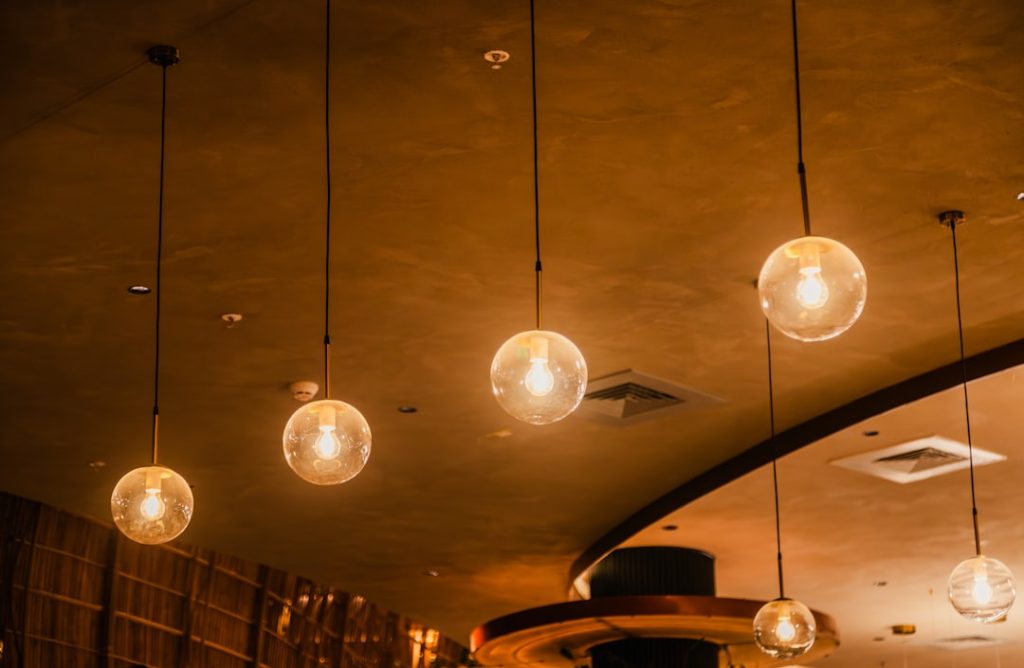
So, you’re curious about those chic paper pendant lights you’ve seen popping up, the ones that look like they belong in a perfectly curated Scandinavian living room? You’re wondering if they’re just a fleeting trend or if there’s more to them. The short answer? They’re a fantastic blend of modern design principles and practical application, offering a soft, diffused glow and a minimalist aesthetic that’s surprisingly versatile. Forget the flimsy, disposable decorations of the past; these are statement pieces that bring warmth and style to any space.
The Scandinavian Aesthetic and Lighting
Scandinavian design, as a whole, is less about ostentatious displays and more about creating functional, comfortable, and beautiful living environments. Think clean lines, natural materials, and an emphasis on light Hotedecor. This philosophy directly informs how lighting is approached in Scandinavian homes.
Natural Light is King
Given their northerly location and often limited daylight hours, Scandinavians have a deep appreciation for natural light. Their interior design prioritizes maximizing it. Large windows, light paint colors, and reflective surfaces are all common strategies.
The Role of Artificial Light
When natural light fades, artificial lighting becomes crucial. In Scandinavian interiors, it’s not just about illumination; it’s about creating atmosphere. Lamps are chosen for their ability to cast a warm, inviting glow, avoiding harsh, direct light. This is where paper pendant lights truly shine.
Minimalism and Functionality
Every element in a Scandinavian space serves a purpose. There’s no clutter, no unnecessary ornamentation. This extends to lighting. Fixtures are often simple, elegant, and designed to integrate seamlessly into the overall decor.
Warmth and Hygge
The concept of “hygge” (pronounced hoo-gah) – a Danish and Norwegian word for a mood of coziness and comfortable conviviality that engenders a feeling of contentment or well-being – is central to Scandinavian culture. Lighting plays a vital role in creating this feeling. Soft, diffused light from paper pendants is key to achieving that hygge vibe.
What Exactly Are Scandinavian Paper Pendant Lights?
When we talk about “Scandinavian paper pendant lights,” we’re generally referring to pendant light fixtures where the shade is primarily constructed from paper-like materials. However, this isn’t your average craft store paper lantern. These are thoughtfully designed products that leverage the properties of paper for aesthetic and functional purposes.
The Materials Used
While “paper” is in the name, the materials can vary. Often, it’s a durable, treated paper or a synthetic material that mimics the look and feel of paper. This ensures longevity and makes them easier to clean and maintain than truly delicate paper. Some might use rice paper, while others employ specialized fibers processed to achieve a paper-like texture. The goal is to achieve a soft diffusion of light.
The Design Philosophy
The design is inherently minimalist. You’ll find simple, geometric shapes – spheres, ovals, cones, and organic forms – that are elegant without being fussy. The focus is on the texture and the way the light interacts with the material. They often have a subtle, natural hue, or come in muted, earthy tones that complement various interior styles.
Simplicity and Elegance
The beauty lies in their straightforwardness. There are no complicated mechanisms or gaudy embellishments. They are designed to hang gracefully, becoming a focal point that doesn’t overpower the room. This simplicity makes them incredibly adaptable.
The Light Quality
This is perhaps the most significant advantage. Paper shades are excellent at diffusing light. Instead of a harsh, direct beam, they create a soft, ambient glow that fills the space. This is perfect for creating a relaxed and inviting atmosphere.
Why They’re So Popular in Modern Design
The resurgence and continued popularity of these lights are no accident. They tap into several key trends in modern interior design, offering a solution that’s both stylish and practical.
The Rise of Minimalism
Minimalism continues to be a dominant force in interior design. People are seeking decluttered spaces, clean lines, and a focus on quality over quantity. Paper pendant lights fit perfectly into this ethos with their uncluttered designs.
Warmth in Industrial Spaces
As industrial design elements like exposed concrete and metal become more common, there’s a growing need for elements that soften these harder textures. The warm, diffused light from paper pendant lights provides a welcome contrast, bringing a touch of organic comfort to more rugged aesthetics.
Biophilic Design Trends
There’s a growing interest in bringing the outdoors in, a concept known as biophilic design. Natural materials, organic shapes, and a connection to nature are key. Paper, especially in its natural color and textured form, aligns beautifully with this trend.
Versatility is Key
One of the biggest draws is their ability to adapt to a wide range of interiors. Whether your style is ultra-modern, Scandinavian, bohemian, or even a touch eclectic, a well-chosen paper pendant can enhance the space.
Focus on Light and Shadow
Modern design is increasingly exploring the interplay of light and shadow. Paper pendants, with their diffusion capabilities, allow for a more nuanced play of light, creating depth and interest in a room.
Practical Considerations for Using Paper Pendant Lights
While their aesthetic appeal is undeniable, there are practical aspects to consider when integrating these lights into your home. Understanding these will help you choose the right ones and ensure they function well for years to come.
Installation and Wiring
Most pendant lights require professional installation, especially if you’re not comfortable with electrical work. Ensure you have the correct ceiling support for the weight of the fixture. The wiring will depend on the type of bulb and the available power source.
Bulb Choice Matters
The type of bulb you use significantly impacts the light quality and safety. LED bulbs are highly recommended. They are energy-efficient, produce minimal heat (crucial for paper shades to prevent discoloration or fire hazards), and come in a wide range of color temperatures (warm white is usually best for ambient lighting). Avoid incandescent bulbs, as they generate too much heat.
Maintenance and Cleaning
Paper shades, even treated ones, require gentle care. Most can be wiped down with a slightly damp microfiber cloth. For dust, a soft brush attachment on a vacuum cleaner or a feather duster works well. It’s important to avoid harsh chemicals or excessive moisture. If your light is made from a specific type of paper, check the manufacturer’s instructions for the best cleaning methods.
Durability and Longevity
Modern paper pendant lights are designed for durability. However, they are still made from paper-like materials, so extreme conditions or rough handling can cause damage. They are best suited for indoor environments where they won’t be exposed to direct rain, snow, or high winds. With proper care, they can last for many years.
Fire Safety
This is paramount. Always ensure your paper pendant light is constructed with fire-retardant materials and that the bulb is appropriately sized and rated to keep heat away from the shade. Following the manufacturer’s guidelines regarding bulb wattage and type is essential for safety.
Popular Scandinavian Paper Pendant Light Styles and Brands
While the general concept is simple, the execution can vary, leading to a range of distinct styles and sought-after brands that embody the Scandinavian design ethos.
The Classic Sphere
Perhaps the most iconic form, the paper sphere, often reminiscent of an oversized dandelion seed head or a soft moon. Brands like Le Klint (though often associated with pleated plastic, their paper origins are strong) and various Nordic manufacturers offer these in different sizes and textures. They provide a wonderfully diffuse, all-encompassing light.
Organic and Asymmetrical Forms
Moving beyond perfect spheres, many designers are creating lights with more organic, free-flowing shapes. These can resemble natural elements like clouds, buds, or abstract sculptures. This adds a touch of artistic flair while maintaining a minimalist sensibility. Look for designers who push the boundaries of material sculpting.
Geometric and Angular Designs
While softness is often a hallmark, some Scandinavian-inspired designs incorporate sharper angles and more defined geometric shapes – think faceted globes or layered discs. These can add a more contemporary, almost architectural feel to a space.
The “Bauhaus” Influence
Some paper pendants exhibit a subtle nod to Bauhaus principles, with simple, functional shapes that emphasize form and material. These are often more utilitarian in their appearance but still possess a quiet elegance.
Emerging Brands to Watch
Keep an eye on smaller independent design studios and brands that are emerging from Scandinavia and beyond, often found on platforms like Etsy or specialized design collectives. They frequently offer unique interpretations and artisanal craftsmanship. For example, brands that focus on sustainable practices and innovative paper treatments are gaining traction.
Integrating Paper Pendant Lights into Your Home
Beyond just picking a pretty light, think about how it will function and enhance your specific space. A little thought can go a long way in maximizing its impact.
Over Dining Tables
A classic application. A single, larger paper pendant, or a cluster of smaller ones, hung centrally above a dining table creates an intimate and inviting atmosphere for meals. The soft light ensures food looks appealing and encourages conversation.
In Living Areas
Suspended over a coffee table, a seating area, or even in a reading nook, paper pendants provide a calming ambient light. They can soften the lines of modern furniture and create a cozy focal point. Consider a cluster of varying sizes for visual interest.
In Bedrooms
The gentle, diffused light is perfect for creating a serene bedroom environment. Hung beside the bed as a bedside lamp alternative, or centrally over the bed, they contribute to a relaxing atmosphere conducive to sleep.
For Hallways and Entryways
A well-placed paper pendant can warmly welcome guests. In a longer hallway, consider two or three hung in a row to guide the eye and provide gentle illumination.
Kitchens (with caution)
While beautiful, they might not be the best choice directly over high-activity kitchen zones like a stovetop where grease and steam are prevalent, due to potential cleaning challenges. However, in a breakfast nook or a more decorative island area, they can work beautifully, especially if the bulb is placed higher to minimize steam exposure to the shade.
Layering Your Lighting
Paper pendants are excellent for creating ambient or accent lighting. They work best when layered with other light sources – task lighting for reading or working, and perhaps some accent lights to highlight artwork or architectural features. This creates depth and allows you to adjust the mood.
Considering Scale and Proportion
Choose a size that is appropriate for the room and the furniture it will be placed near. A massive pendant in a tiny room will feel overwhelming, while a small one in a grand space can get lost. Envision how it will occupy the vertical space.
By understanding the core principles of Scandinavian design, the unique qualities of paper pendant lights, and practical considerations, you can confidently incorporate these charming fixtures into your home, adding warmth, style, and a touch of modern elegance.


More Stories
Creating Ambiance: Lighting Your Cafe Counter for Evening Service
Balcony Lighting: Overcoming Outlet Shortage
Lighting a Dressing Room for True Colors: A How-To Guide