
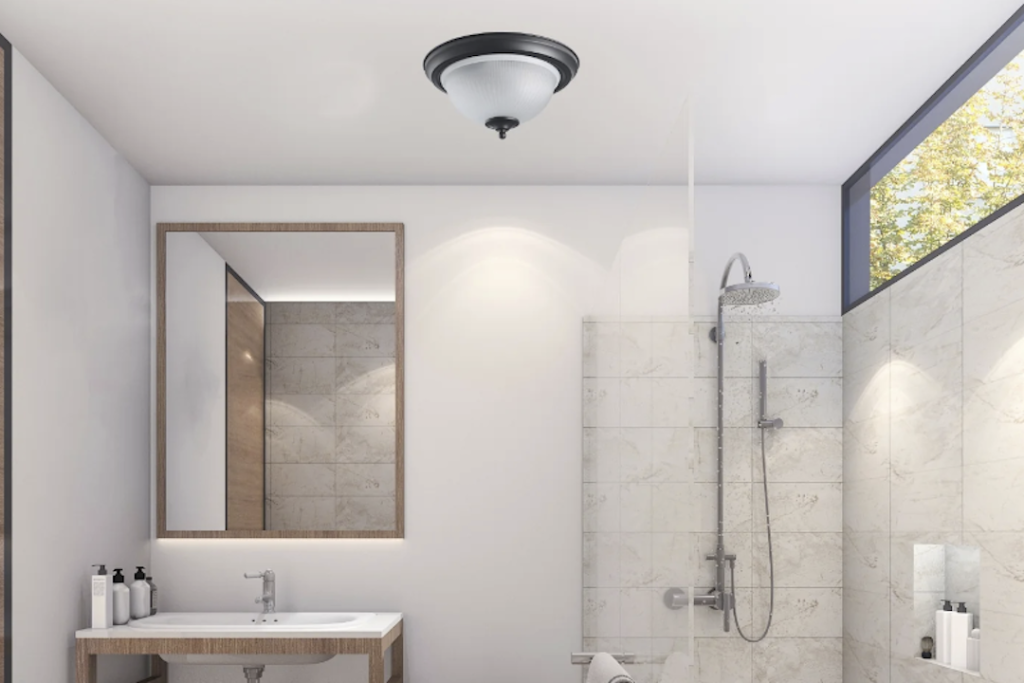
This article examines the ‘Timeless Elegance: Vintage Fluted Glass Semi-Flush Mount Lamp,’ focusing on its design, construction, historical context, and functional characteristics. The lamp serves as an example of lighting fixtures that blend aesthetic appeal with practical illumination, a convergence often sought in interior design.
The defining characteristic of this lamp Yilop is its vintage fluted glass shade. The term ‘fluted’ refers to the parallel, concave grooves that adorn the surface of the glass. These flutes are not merely decorative; they actively influence the diffusion and distribution of light.
The Fluted Glass Shade
- Material Composition: The glass shades are typically crafted from high-quality, often hand-blown, glass. This material allows for a degree of translucency that softens light, preventing harsh glare. The clarity or slight opacity of the glass is a crucial factor in its aesthetic.
- Form and Shape: Fluted glass shades can vary in their overall form, including bell shapes, cylindrical designs, or more complex geometric contours. The concave nature of the flutes creates a play of light and shadow as it passes through the glass, adding depth and visual interest.
- Light Diffusion: The flutes act as a natural prismatic element. As light rays strike the curved surfaces, they are refracted and diffused, scattering the light outwards. This results in a softer, more ambient glow compared to smooth glass. Imagine light encountering a series of miniature, transparent canyons, each turn redirecting and softening the beam.
- Vintage Aesthetic: The ‘vintage’ designation suggests a design lineage rooted in past eras, often between the early to mid-20th century. This period saw a rise in decorative glasswork for lighting, emphasizing craftsmanship and a certain opulence. The fluted design itself has roots in classical architecture, appearing on columns and decorative elements, suggesting a historical connection that contributes to its perceived elegance.
The Semi-Flush Mount Structure
- Mounting Mechanism: Semi-flush mount fixtures are designed to hang a short distance below the ceiling, unlike fully recessed lights or chandeliers that hang far down. This positioning is a compromise, offering more visual presence than a recessed fixture but maintaining a lower profile than a pendant or chandelier. The space between the shade and the ceiling allows for some upward light reflection, contributing to overall room brightness.
- Base and Hardware: The structural components of the lamp—the canopy that attaches to the ceiling, the downrod, and the socket housing—are typically made from metal. Common finishes include brass, nickel, brushed aluminum, or dark bronze, chosen to complement the vintage aesthetic of the glass shade. The design of these metal elements is often understated, allowing the fluted glass to remain the focal point.
- Proportionality: The balance between the shade’s size and the mounting hardware is critical. A well-designed lamp will have proportions that feel harmonious, neither appearing too heavy nor too flimsy. The semi-flush mount design itself is a solution to the need for decorative lighting in rooms with standard or lower ceiling heights. It bridges the gap between purely functional and overtly decorative fixtures.
Materials and Construction
The quality of materials and the methods of construction are paramount to the longevity and aesthetic appeal of this type of lighting fixture.
Glass Quality and Craftsmanship
- Glass Manufacturing: The glass used for vintage fluted shades is generally of a higher quality than mass-produced, modern alternatives. Older manufacturing techniques often involved hand-blowing and shaping, leading to slight variations that lend character. The thickness of the glass also plays a role, contributing to its durability and the way it filters light.
- Fluting Techniques: The precision of the fluting is a mark of quality. Evenly spaced and consistently shaped grooves enhance the visual appeal and the light-diffusing properties. Imperfect fluting can lead to uneven light distribution and a less refined appearance.
- Durability: While glass is inherently fragile, the thickness and quality of vintage glass can make it surprisingly robust. However, care must be taken during installation and maintenance to avoid chipping or breakage.
Metalwork and Finishes
- Metal Types: Common metals include solid brass, which can be polished to a high shine or left to develop a patina over time, and steel, often plated or finished to resemble other metals. The weight and feel of the metal contribute to the perceived quality of the fixture.
- Finishing Processes: The finishes—such as polished nickel, brushed brass, oil-rubbed bronze, or matte black—are crucial for the lamp’s overall look. These finishes are applied electrochemically or through other industrial processes to provide color, protection, and a specific aesthetic. The durability of the finish is important, as chipping or wear can detract from the vintage appeal.
- Assembly: The way the metal components are joined—through screws, welding, or other fastening methods—speaks to the fixture’s construction. For vintage pieces, look for clean joinery and absence of visible roughness.
Historical Context and Design Influences
The ‘vintage’ aspect of this lamp is not merely a descriptor of age but also an indicator of its design lineage and the eras it evokes.
Art Deco and Mid-Century Modern Echoes
- Art Deco (c. 1920s-1930s): The geometric patterns and stylized forms common in Art Deco design often feature fluted elements. This era celebrated luxury, modernity, and a sense of streamlined elegance. Fluted glass was frequently incorporated into lamps, chandeliers, and architectural details during this period, lending a sophisticated and glamorous air.
- Mid-Century Modern (c. 1940s-1960s): While Mid-Century Modern design is often associated with clean lines and natural materials, it also embraced decorative glass. The functionalism of the era sometimes gave way to decorative flourishes, and fluted glass offered a way to add texture and diffused light without compromising a sense of modernism. The semi-flush mount format itself gained popularity during this period as a practical solution for a growing number of homes.
Evolution of Lighting Design
- From Gas to Electricity: The transition from gas lighting to electric lighting in the late 19th and early 20th centuries allowed for greater flexibility in fixture design. Previously, designs were constrained by the need for ventilation and the mechanics of gas delivery. Electric lighting freed designers to explore enclosed shades and more intricate forms.
- The Rise of the Interior Designer: As interior design emerged as a profession, there was a greater emphasis on creating cohesive and aesthetically pleasing living spaces. Lighting fixtures became important elements in this process, moving beyond mere utility to become decorative statements. Fluted glass lamps, with their ability to cast a soft, inviting glow, fit well into this evolving landscape.
Functional Application and Illumination
Beyond its aesthetic merits, the lamp serves a practical purpose: to illuminate a space. Its design directly influences how it performs this function.
Light Quality and Atmosphere
- Ambient Lighting: The primary role of a semi-flush mount lamp with a fluted glass shade is to provide ambient lighting. This is the general, overall illumination of a room. The diffused light creates a soft, even glow that can be comfortable for everyday living.
- Task Lighting Considerations: While not its primary function, the lamp can contribute to task lighting depending on its placement and the intensity of the bulb used. However, for focused tasks requiring bright, direct light, additional dedicated task lamps are typically needed. The fluted glass will scatter and soften any light directed downwards, making it less suitable for detailed work.
- Creating Mood: The quality of light emitted by fluted glass can contribute significantly to the atmosphere of a room. The gentle diffusion and subtle interplay of light and shadow can create a warm, inviting, and relaxing ambiance. It avoids the starkness of bare bulbs or the harshness of direct spotlights.
Placement and Room Suitability
- Ceiling Height Compatibility: The semi-flush mount design makes this lamp particularly suitable for rooms with standard to lower ceiling heights (typically 8 to 10 feet). It provides a decorative element without encroaching too much on headroom. In rooms with very high ceilings, a more substantial chandelier or pendant might be preferred.
- Versatility in Room Types: These lamps are versatile and can be installed in various rooms:
- Living Rooms: To provide general illumination and contribute to a cozy atmosphere.
- Dining Rooms: As a central fixture, offering soft light over a table (though a pendant might offer better direct illumination over the dining surface).
- Bedrooms: For ambient light that is not too harsh for relaxation.
- Hallways and Entryways: To welcome guests with a touch of elegance and provide safe passage.
- Kitchens (depending on style): In certain kitchen designs, particularly those leaning towards vintage or transitional styles, a semi-flush mount can work well.
Maintenance and Care
Preserving the lamp’s appearance and functionality requires appropriate maintenance.
Cleaning the Glass Shade
- Gentle Approach: Glass shades should be cleaned with a soft, lint-free cloth. For more soiled areas, a mild glass cleaner or a solution of water and a small amount of dish soap can be used. Avoid abrasive cleaners or harsh chemicals that can damage the glass or its finishes.
- Drying: Ensure the glass is thoroughly dried to prevent water spots, which can be particularly noticeable on fluted surfaces. A separate dry cloth for buffing can be beneficial.
- Handling: Always handle glass shades with care. Remove them carefully from the fixture for cleaning if possible, and ensure they are securely reattached.
Maintaining Metal Components
- Polishing: Metal components may require periodic polishing to maintain their sheen, especially if they are made of brass or polished nickel. Follow manufacturer instructions or research appropriate polishing techniques for the specific metal and finish.
- Patina: Some finishes, like unlacquered brass or oil-rubbed bronze, are designed to develop a patina over time. This aging process can enhance the vintage character and is often considered desirable. Avoid aggressive polishing if you wish to preserve this patina.
- Tightening Connections: Periodically check that the canopy is securely attached to the ceiling and that the downrod is tight. Loose connections can be a safety hazard.
Conclusion: Enduring Appeal
The ‘Timeless Elegance: Vintage Fluted Glass Semi-Flush Mount Lamp’ represents a confluence of functional design and enduring aesthetic appeal. Its fluted glass shade, a hallmark of historical craftsmanship, performs a crucial role in light diffusion, transforming raw illumination into a soft, ambient glow. The semi-flush mount design addresses practical space considerations, making it a versatile choice for a range of interior environments. By understanding its design influences, material construction, and maintenance requirements, one can appreciate the lasting value and decorative impact of this fixture. It stands as a testament to how thoughtful design, rooted in historical precedent, can continue to enhance contemporary living spaces.

More Stories
Enhance Your Space with Hemispherical Split Travertine Wall Light
The Elegance of Spiral Staircase Chandeliers: A Perfect Blend of Form and Function
The Elegance of Sconce Hallways: Illuminating Your Passages with Style