
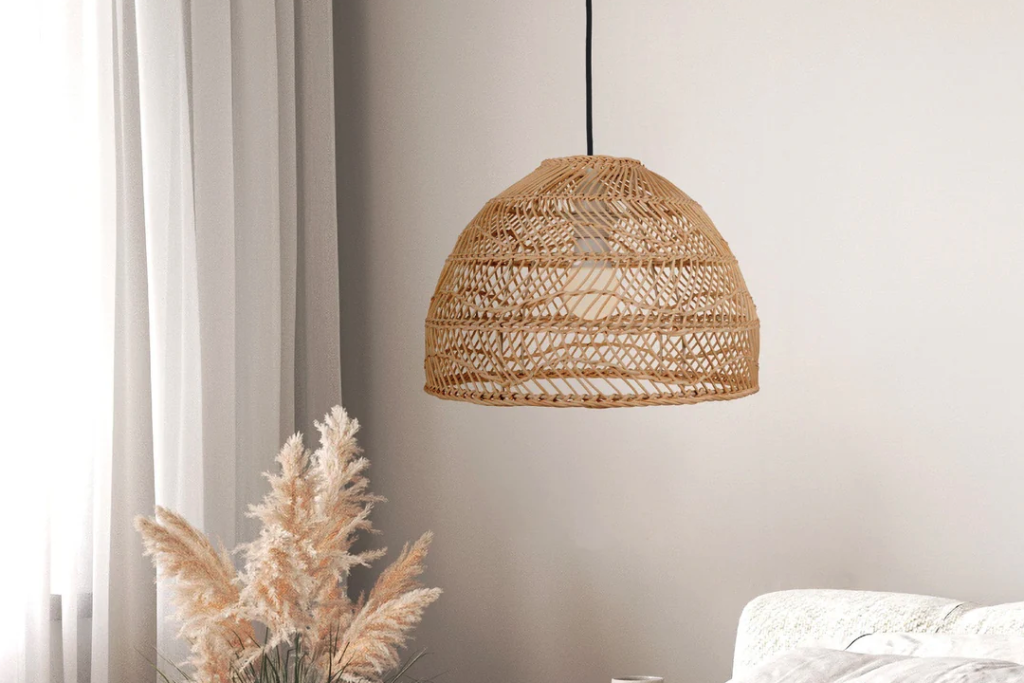
So, what exactly are unique handmade braided cotton pendant lights? Simply put, they’re lighting fixtures where the shade, or at least a significant part of it, is crafted by hand from braided cotton. This isn’t your average factory-produced lamp; each one has a distinct character because of the handmade nature of the braiding. Think natural fibers, intricate patterns, and a soft, ambient glow that’s quite different from more rigid, industrial-looking lights. They often lean towards a bohemian, Scandinavian, or even a coastal aesthetic, bringing a touch of natural warmth and texture into a space. They’re about providing light, yes, but also about being a piece of art and a conversation starter.
When you’re picking out lighting Zomier for your home, it’s easy to get caught up in efficiency or a basic look. But braided cotton pendant lights offer something more, something a bit special. It’s not just about illuminating a room; it’s about creating an atmosphere and adding a deliberate design element.
The Allure of Natural Fibers
There’s a reason natural materials are making such a comeback in home decor. Cotton, in particular, brings a certain warmth and organic feel that synthetics just can’t replicate. It’s soft to the touch, has a subtle texture, and breathes life into a space.
- A Softer Glow: Unlike harsh metal or glass shades, cotton diffuses light beautifully. It creates a soft, ambient glow that’s much more inviting and less glary, perfect for creating a cozy atmosphere in a living room or bedroom.
- Tactile and Visual Texture: The braiding itself adds incredible visual interest and a tactile quality. It’s not a flat, smooth surface; it’s got depth and pattern, catching the eye even when the light isn’t on.
- Breathability and Lightness: Cotton is a relatively lightweight material. This makes these pendants easier to install and gives them an airy feel, preventing a space from feeling weighed down.
The Charm of the Handmade Touch
In a world full of mass-produced items, something handmade stands out. It brings a narrative, a sense of human effort and creativity into your home. This isn’t about perfection; it’s about character.
- Each Piece is Unique: No two handmade braided cotton pendant lights are exactly alike. There will always be subtle variations in the braiding, the tension, or even the slight coloration of the cotton. This means you’re getting a truly one-of-a-kind item.
- A Story Behind the Craft: Often, these lights are made by individual artisans or small workshops. Choosing one supports traditional crafting techniques and small businesses, adding a layer of purpose to your purchase.
- Adding Character to Your Space: A handmade item instantly adds personality and a lived-in feel to a room. It breaks up the monotony of sleek, machine-made objects and injects a sense of artistry.
Design Styles that Embrace Braided Cotton Pendants
One of the great things about braided cotton pendant lights is their versatility. While they naturally lend themselves to certain aesthetics, their understated elegance means they can complement a surprising range of interior design styles.
Bohemian (Boho) Chic
This is perhaps the most obvious pairing. Boho style thrives on natural materials, global influences, relaxed vibes, and an eclectic mix of textures.
- Earthy Tones and Textures: Braided cotton fits perfectly with the boho palette of creams, whites, natural browns, and muted colors. The texture adds to the layered, visual richness characteristic of this style.
- Relaxed and Informal Ambiance: Boho is all about comfort and an unpretentious feel. The soft light and organic shapes of these pendants enhance that relaxed, inviting atmosphere.
- Layering with Other Elements: They pair wonderfully with macrame wall hangings, rattan furniture, kilim rugs, and lots of plants – all staples of boho decor.
Scandinavian (Scandi) Simplicity
While boho is often about abundance, Scandi style is about minimalism, functionality, and natural light. Braided cotton pendants can fit beautifully into this aesthetic by offering warmth without visual clutter.
- Pure and Natural Materials: Cotton aligns perfectly with the Scandi preference for natural woods, wool, and other organic textures. It brings a soft element to the often clean lines of Scandinavian design.
- Soft Lighting for Hygge: “Hygge” – the Danish concept of coziness and comfort – is central to Scandi design. The diffused, warm light from these pendants is ideal for creating that inviting, intimate feeling.
- Understated Elegance: Rather than being overtly decorative, these lights offer an understated beauty. Their simplicity in form, combined with the intricate texture, adds interest without being overwhelming. They serve as a subtle focal point.
Coastal and Beach House Vibes
Think sandy beaches, ocean breezes, and natural textures. Braided cotton can evoke this feeling beautifully, bringing an easygoing elegance to a coastal-inspired home.
- Bringing the Outdoors In: The natural fibers connect to the outdoor elements of a coastal environment – ropes, shells, drift wood.
- Light and Airy Feel: The lightweight nature of cotton and its ability to diffuse light help maintain an open, airy feel, essential for a beach house aesthetic. They don’t block views or make a room feel closed off.
- Neutral Palette Complement: These pendants fit seamlessly with the characteristic coastal palette of whites, blues, greens, and natural sand tones.
Modern Farmhouse Appeal
Modern farmhouse blends rustic charm with contemporary elements. Braided cotton lamps can add that touch of handcrafted warmth and texture often desired in this style.
- Handcrafted and Authentic: The handmade aspect resonates with the farmhouse emphasis on authenticity and artisanal craftsmanship.
- Softening Industrial Elements: If you have exposed beams, shiplap, or some industrial-style accents, a soft cotton pendant can provide a welcome textural contrast and soften the overall look.
- Warmth and Comfort: Modern farmhouse is about creating a comfortable, inviting home. The warm glow and natural texture of these lights contribute significantly to that feeling.
Placement and Pairing: Making Your Pendant Light Shine
Once you’ve chosen your braided cotton pendant, the next step is figuring out where and how to hang it. Proper placement and thoughtful pairing with other decor items can make all the difference in maximizing its visual impact and functional appeal.
Optimal Locations for Ambiance
These lights are fantastic for creating a specific mood, so think about areas where you want a softer, more inviting illumination rather than bright, task-oriented light.
- Above a Dining Table: A cluster of smaller pendants or a single large one can create a captivating focal point. The soft light is perfect for evening meals, encouraging conversation and a relaxed atmosphere. Hang it low enough to define the space, but high enough not to obstruct views or head space.
- In a Cozy Living Room Corner: Tucked into a reading nook or above a side table, a braided cotton pendant can provide gentle accent lighting, making that spot feel instantly more comfortable and defined.
- Bedside Lighting in a Bedroom: Instead of traditional table lamps, consider hanging smaller pendants on either side of the bed. It frees up nightstand space and adds a chic, modern touch while still providing adequate reading light.
- Entryway or Hallway: A single, striking pendant in an entryway makes a welcoming first impression. In a hallway, a series of smaller, identical pendants can guide the eye and add rhythm to the space.
- Over a Kitchen Island (Consider Carefully): While visually appealing, remember that braided cotton can absorb odors and grease. If you’re doing a lot of intensive cooking, consider this material’s practicality. However, for islands used more for casual dining or prep without heavy fumes, they can look fantastic.
Pairing with Other Decor Elements
The beauty of these lights often lies in how they integrate with the rest of your room’s narrative.
- Furniture: Wood, Rattan, and Linen: They pair naturally with furniture made of similar organic materials. Think raw wood tables, rattan chairs, linen sofas, or jute rugs. These materials share a similar texture story.
- Soft Furnishings: Pillows, Throws, Curtains: To enhance the soft, inviting feel, complement your pendant with plush throw pillows in natural fabrics, chunky knit blankets, or flowing linen curtains.
- Greenery: Indoor Plants: Plants breathe life into any space and perfectly complement the natural aesthetic of braided cotton. A large fiddle leaf fig tree or a cascading Pothos will look right at home.
- Art and Wall Decor: Macrame and Textiles: If you’re going for a bohemian look, macrame wall hangings or woven tapestry art will create visual harmony with your pendant. For a more minimalist style, simple abstract art with natural color palettes works well.
- Contrasting Materials for Interest: Don’t be afraid to introduce a subtle contrast. A sleek metal floor lamp nearby, or a ceramic vase with a unique glaze, can add depth without clashing. The idea is to create balance.
The Practicalities: What to Consider Before Buying
Beyond just aesthetics, there are some real-world considerations when choosing and living with a braided cotton pendant light. Thinking about these upfront can save you headaches later.
Size and Scale Matters
This is crucial for any lighting fixture, but particularly for pendants that serve as a focal point.
- Room Dimensions: A tiny pendant in a grand room will look lost, while an oversized one in a small space will be overwhelming. Measure your room’s length, width, and ceiling height.
- Furniture Below: If it’s over a dining table, ensure the pendant is proportionate to the table’s size. A general rule of thumb is that the fixture’s width should be about one-half to two-thirds the width of the table.
- Visual Weight vs. Physical Weight: While cotton is light, the visual impact of a large, intricately braided piece can be substantial. Account for how much “space” it consumes visually.
Installation and Ceiling Requirements
While not overly complex, it’s not just about screwing in a bulb.
- Electrical Box: You’ll need a properly installed and secured electrical junction box in your ceiling. If you don’t have one, or if you’re replacing a very light fixture with a heavier one, it’s wise to consult an electrician.
- Weight Rating: Even lightweight, most pendant lights still require a certain weight rating from the ceiling box. Check the fixture’s specifications and ensure your ceiling can support it.
- Adjustable Height: Most pendants come with adjustable cords or chains, allowing you to fine-tune the hanging height. This is important for ensuring it hangs at the right level for both function and aesthetics.
- Professional Installation: If you’re not comfortable with electrical work, it’s always best to hire a qualified electrician. Safety first!
Bulb Choices and Lighting Quality
The bulb you use will significantly impact the light quality emitted through the cotton shade.
- Warm White LED Bulbs: These are generally the best choice. They are energy-efficient, long-lasting, and produce a warm, inviting light (around 2700-3000K) that complements the natural cotton beautifully. Avoid cool white or daylight bulbs, as they can make the light feel sterile.
- Dimmable Options: For maximum versatility, choose a dimmable bulb and pair it with a dimmer switch. This allows you to adjust the light intensity to suit different moods and times of day.
- Brightness (Lumens): Consider the function of the light. For ambient lighting, you’ll need fewer lumens than for general room illumination. If it’s your primary light source, you might need a brighter bulb or multiple pendants.
- Avoid High Heat Bulbs: While most modern bulbs (especially LEDs) don’t generate excessive heat, older incandescent bulbs can get very hot. Ensure there’s adequate clearance between the bulb and the cotton shade to prevent any heat damage or fire risk.
Maintenance and Cleaning
Cotton is a natural fiber, so it requires a bit of care to keep it looking its best.
- Dusting: Regular dusting is key. A soft-bristle brush, a lint roller, or even a vacuum cleaner with a brush attachment on a low setting can work Wonders. Do this frequently to prevent dust buildup.
- Spot Cleaning: For small marks, a very slightly damp cloth (dampened with water only, no harsh chemicals) can be used. Test in an inconspicuous area first. Allow to air dry completely.
- Dealing with Odors: If your lamp starts to absorb odors (e.g., from cooking), try airing it out in a well-ventilated area. A light spritz of fabric freshener (tested first) might also help.
- Professional Cleaning: For more significant cleaning or if you’re unsure, consulting a professional textile cleaner might be an option, though this might not be cost-effective for all pieces.
- Protect from Moisture: Cotton can be susceptible to mildew in high-humidity environments. Ensure your pendant is not in a persistently damp location.
The Artisan Story: Beyond the Product Itself
When we talk about “unique handmade” items, there’s often a human element that gets lost in the technical specifications. But understanding the artisan story can add another layer of appreciation to your purchase. It transforms a functional object into something with soul.
The Craftsmanship Behind the Braids
Imagine the hands that meticulously weave each strand. This isn’t a machine rapidly spitting out identical patterns.
- Time and Patience: Hand-braiding is a slow process that requires significant patience and skill. From preparing the cotton fibers to the actual braiding, each step is deliberate.
- Traditional Techniques: Many of these pendants draw upon traditional braiding, knotting, or weaving techniques passed down through generations or learned through dedicated practice.
- Attention to Detail: Artisans pay close attention to the tension of the braid, the consistency of the pattern, and the overall form. Minor imperfections are often a sign of handcraft, not a flaw.
Supporting Small Businesses and Ethical Production
Choosing a handmade braided cotton pendant often means you’re making a conscious consumer choice.
- Empowering Artisans: Your purchase directly supports the livelihood of the individuals or small teams who create these pieces. This can be particularly impactful if the artisans are located in developing regions.
- Sustainable Practices: Small-scale production often involves more sustainable practices compared to large factories. This could mean using locally sourced cotton, minimizing waste, or employing fair labor practices.
- Transparency and Traceability: Often, you can learn more about where the cotton comes from, who made the light, and the values of the company or individual artisan. This level of transparency is rare in mass-produced goods.
A Connection to the Maker
While you might not meet the artisan, there’s a subtle connection forged when you choose a handmade item.
- Bringing a Human Touch Home: You’re bringing a piece of someone’s passion and skill into your living space. This contributes to a softer, more human environment.
- Conversation Starter: Handmade items often spark curiosity. When guests ask about your unique pendant, you have an opportunity to share the story behind it, further appreciating its value.
In conclusion, unique handmade braided cotton pendant lights are more than just functional lighting. They’re a statement of style, a nod to craftsmanship, and a way to bring warmth, texture, and a touch of the natural world into your home. They offer a softer glow, a unique aesthetic, and a story that goes beyond the fixture itself, making them a thoughtful and beautiful addition to many different design spaces.


More Stories
Creating Ambiance: Lighting Your Cafe Counter for Evening Service
Balcony Lighting: Overcoming Outlet Shortage
Lighting a Dressing Room for True Colors: A How-To Guide