
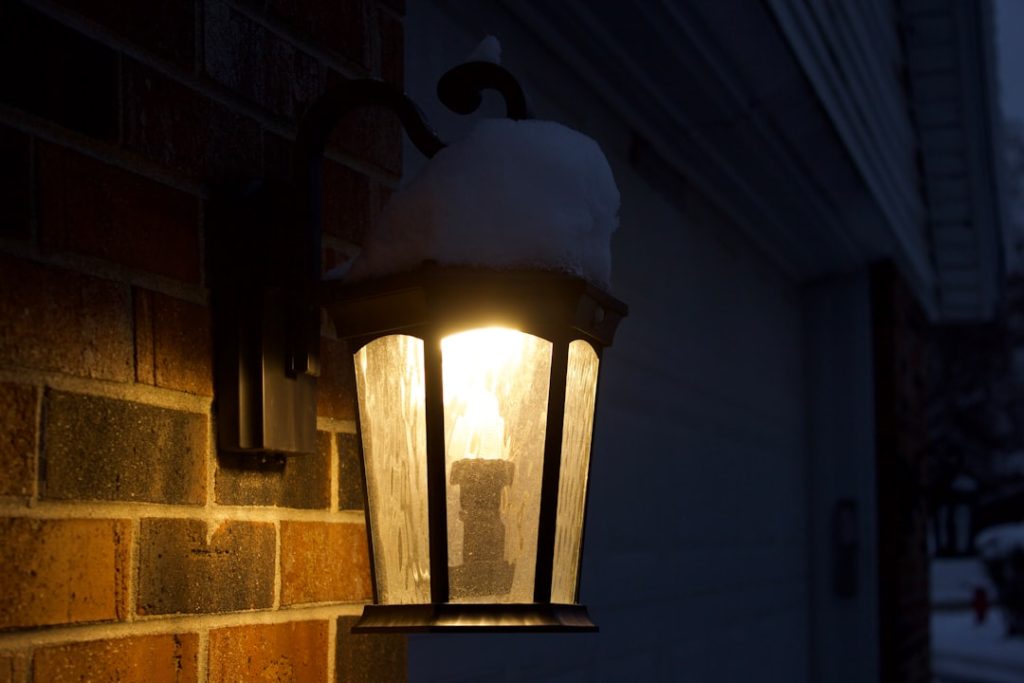
Let’s talk about making your front porch pop. Think of your porch lights as the welcome mat for your house – they’re the first impression, and good lighting can seriously transform the feel and function of your entryway. Luckily, getting it right isn’t rocket science, and there are tons of stylish, modern options out there that are both practical and easy to install.
The Power of a Welcoming Glow
Your front porch is more than just a transition space; it’s the face of your home. It’s where guests are greeted, where packages are left, and where you might relax with a cup of coffee on a crisp morning. Good Lamolighting lighting does more than just illuminate – it sets a mood, enhances your home’s architectural features, and can even add a layer of security. Forget those dusty old fixtures you inherited; modern options offer better performance, more energy efficiency, and a sleek aesthetic that can instantly update your home’s curb appeal.
Choosing the Right Style: Beyond Just Brightness
When you’re looking at modern porch lights, don’t just think about lumens and watts. Consider the overall architectural style of your home. Are you going for something clean and minimalist, or do you prefer a touch of industrial ruggedness? The right fixture should complement, not clash.
Minimalist and Sleek Designs
For homes with clean lines, modern architecture, or a more understated aesthetic, minimalist fixtures are a natural fit. These designs often feature simple geometric shapes, clean finishes, and a focus on form and function.
Linear Wall Sconces
Think thin, rectangular fixtures that mount flush onto your wall. They offer a sophisticated, unobtrusive look and provide a good spread of light. They work well flanking a doorway or placed along a longer porch wall.
Geometric Lanterns
Modern takes on traditional lanterns often ditch ornate details for sharp angles and clean panes of glass. You might see cubes, cylinders, or even more abstract shapes. They offer a subtle decorative element without being fussy.
Integrated LED Fixtures
Many modern lights come with built-in LED strips or modules. This means a super clean, seamless look, as there are no visible bulbs. The fixtures themselves become the design element.
Industrial-Inspired Touches
If your home has a bit of a rustic or industrial edge, or if you just like that look, there are plenty of options that play with materials like brushed metal, exposed elements, and darker finishes.
Cage Lights
These fixtures often feature a protective cage around the bulb, mimicking vintage industrial lighting. They add a touch of character and can feel quite robust.
Barn Light Styles
Modern barn lights often have a more streamlined silhouette than their traditional counterparts. They offer a downward throw of light, which is great for illuminating pathways, and come in a variety of finishes like matte black or brushed nickel.
Dark and Moody Finishes
Black, oil-rubbed bronze, and brushed gunmetal are popular choices for industrial-inspired fixtures. They create a strong visual contrast and can make the light itself stand out.
Contemporary and Transitional Adaptations
Sometimes, you want a style that bridges the gap between traditional and ultra-modern, or just something that feels current without being overly stark.
Seeded Glass and Frosted Options
While clear glass is common in modern fixtures, options with seeded glass (tiny bubbles trapped within the glass) or frosted glass can offer a softer, more diffused light. This can be a great way to reduce glare.
Mix of Materials
Look for fixtures that combine materials like metal with wood accents, or different metal finishes. This adds depth and visual interest.
Sculptural Forms
Some contemporary fixtures go beyond basic geometry and embrace more artistic, sculptural shapes. These can act as statement pieces for your entryway.
The Importance of Light Quality and Placement
It’s not just what your lights look like, but how they illuminate your space. The quality of the light and where you place your fixtures are crucial for both aesthetics and practicality.
Understanding Light Temperature (Kelvin)
This is where things get a little technical, but it’s super important for setting the right mood. Kelvin (K) measures the color of the light.
Warm White (2700K – 3000K)
This is the most common and generally preferred range for outdoor lighting. It’s similar to the light from incandescent bulbs – cozy, inviting, and comfortable. It’s great for creating a welcoming atmosphere.
Neutral White (3500K – 4000K)
This is a bit brighter and cleaner than warm white. It can be good for task lighting or if you prefer a crisper look, but for a front porch, it can sometimes feel a bit stark or commercial.
Cool White (5000K+)
This is a very bright, bluish light. It’s excellent for security lighting in a backyard but generally too harsh and unwelcoming for a front porch. Stick to warmer tones here.
Strategic Placement Matters
Where you put your lights makes a huge difference. Think about what you need to illuminate.
Flanking the Doorway
This is the classic setup. Two fixtures on either side of your front door create symmetry and provide excellent light for entering and exiting. Aim for them to be roughly eye-level when you’re standing on the porch.
Above the Door
A single pendant or semi-flush mount light directly above the door can add a focal point and provide downward illumination. This is especially effective if you have a covered porch with a ceiling.
Along Walkways and Steps
Don’t forget to light the path to your door! Low-profile path lights or wall-mounted step lights ensure guests can navigate safely and increase your home’s visibility from the street.
Highlighting Architectural Features
If your home has interesting brickwork, beautiful columns, or unique architectural details, consider using accent lighting to draw attention to them. Spotlights or uplights can be used sparingly for this purpose.
Beam Angle and Light Spread
The design of the fixture itself will influence how the light is distributed. Some fixtures spread light broadly, while others focus it more narrowly.
Downward Facing Fixtures
These are great for illuminating the ground directly below, preventing glare upwards. Barn lights and some wall sconces are designed this way.
Upward and Downward (Uplight/Downlight)
Some modern fixtures emit light in both directions, creating a more dramatic effect and illuminating both the ground and the wall above.
Diffused Light
Fixtures with frosted glass or diffusers spread the light more evenly, creating a softer glow and reducing harsh shadows.
Material Matters: Durability and Aesthetics
Outdoor lighting fixtures are exposed to the elements, so the materials they’re made from are key for both longevity and how they look over time.
Metal Finishes: The Backbone of Durability
Metals are the most common and practical choice for outdoor fixtures. Look for finishes that are specifically designed for exterior use.
Powder-Coated Aluminum
This is a fantastic option. Aluminum is naturally rust-resistant, and powder coating adds an extra layer of protection and color. It’s lightweight and comes in a huge variety of colors and finishes.
Stainless Steel
If you’re looking for something really modern and robust, stainless steel is excellent. It’s incredibly durable and resistant to corrosion. It often has a brushed or polished silver appearance.
Bronze and Copper Alloys
These materials offer a beautiful patina over time. Bronze is a classic choice and can withstand harsh weather. Copper will develop a greenish verdigris, which can be a desirable look for certain styles. Ensure they are treated or suitable for outdoor use.
Cast Iron
While classic, cast iron can be prone to rust if not properly sealed and maintained. Modern versions often have protective coatings, but it’s worth checking. It provides a very strong, weighty feel.
Glass Options: Clarity and Diffusion
The type of glass used in your fixture affects both the light quality and the overall appearance.
Clear Glass
Offers unobstructed light output. Good for showing off decorative bulbs if you choose to use them.
Seeded Glass
Adds texture and a slightly vintage feel. The small bubbles scatter light beautifully, reducing glare.
Frosted or Opal Glass
Provides the most diffused light, creating a soft, even glow. Excellent for minimizing harsh shadows.
Tempered Glass
This is a safety feature. It’s stronger and less likely to shatter than regular glass. Many outdoor fixtures will use tempered glass for durability.
Smart Lighting and Energy Efficiency: Modern Conveniences
Today’s porch lights can do more than just turn on and off. Smart technology and LED bulbs offer incredible benefits.
The Rise of LED
If you’re not already using LED bulbs, now is the time. They are the undisputed champions of energy efficiency and longevity for home lighting.
Longevity
LEDs can last for tens of thousands of hours, meaning you won’t be changing bulbs constantly. This is a huge time and money saver.
Energy Savings
They use significantly less electricity than incandescent or even CFL bulbs, which translates to lower energy bills.
Instant On and Durability
LEDs provide full brightness immediately and are much more resistant to vibration and shock than traditional bulbs.
Color Options
While we discussed Kelvin for temperature, LEDs also offer a wide range of colors, though for a porch, warm white is typically the most appealing.
Smart Home Integration
Want to control your lights from your phone, schedule them to turn on at dusk, or have them sync with other smart devices? Smart lighting makes it possible.
App Control
Most smart lights can be controlled via a smartphone app. This allows you to turn them on/off, dim them, set schedules, or even change colors (though again, stick to warm tones for the porch).
Voice Control
Compatible with smart assistants like Alexa, Google Assistant, or Siri, you can control your lights with simple voice commands.
Geofencing
Some systems allow your lights to automatically turn on or off as you arrive or leave your home, based on your phone’s location.
Motion Sensors
Integrate motion sensors so your lights only turn on when they detect movement. This is great for security and can save energy.
Dusk-to-Dawn Sensors
Many modern fixtures or bulbs come with built-in dusk-to-dawn capabilities, automatically illuminating when it gets dark and turning off at sunrise.
Installation Tips for a Professional Look
While many modern fixtures are designed with DIY installation in mind, a few tips can ensure a professional and safe finish. Unless you’re comfortable with electrical work, it’s always best to call a qualified electrician.
Safety First
Always turn off the power to the circuit at your breaker box before starting any electrical work. Use a voltage tester to confirm the power is off.
Mounting Considerations
- Secure Mounting: Ensure the fixture is mounted to a sturdy junction box designed to support its weight.
- Weatherproofing: Pay attention to any gaskets or seals provided with the fixture. These are crucial for preventing water from entering the electrical connections.
- Placement Height: As mentioned before, aim for the bottom of the fixture to be around eye level (5.5 to 6 feet) when standing on the porch, or higher if you’re aiming for wider illumination or a more dramatic effect.
Wiring It Up (If You’re DIYing)
- Proper Connections: Use wire nuts specifically designed for outdoor use and ensure all connections are secure.
- Grounding: Always connect the ground wire from the fixture to the ground wire in the junction box. This is a critical safety step.
- Sealing: Once installed, you can use a small bead of exterior-grade caulk around the base of the fixture where it meets the wall. This provides an extra layer of protection against moisture.
Professional Help When Needed
If you’re unsure about any part of the electrical process, dealing with existing wiring issues, or installing a fixture that requires more complex mounting, don’t hesitate to hire an electrician. They can ensure everything is installed correctly, safely, and up to code, giving you peace of mind.
The Final Polish: Enhancing Your Home’s Entrance
Your front porch lighting is an investment in your home’s overall appeal and functionality. By carefully considering style, light quality, placement, materials, and modern conveniences, you can transform your entryway from ordinary to outstanding. A well-lit porch not only looks fantastic but also makes your home feel more inviting, secure, and complete, creating a warm welcome for everyone who comes to your door.

More Stories
Creating Ambiance: Lighting Your Cafe Counter for Evening Service
Balcony Lighting: Overcoming Outlet Shortage
Lighting a Dressing Room for True Colors: A How-To Guide