
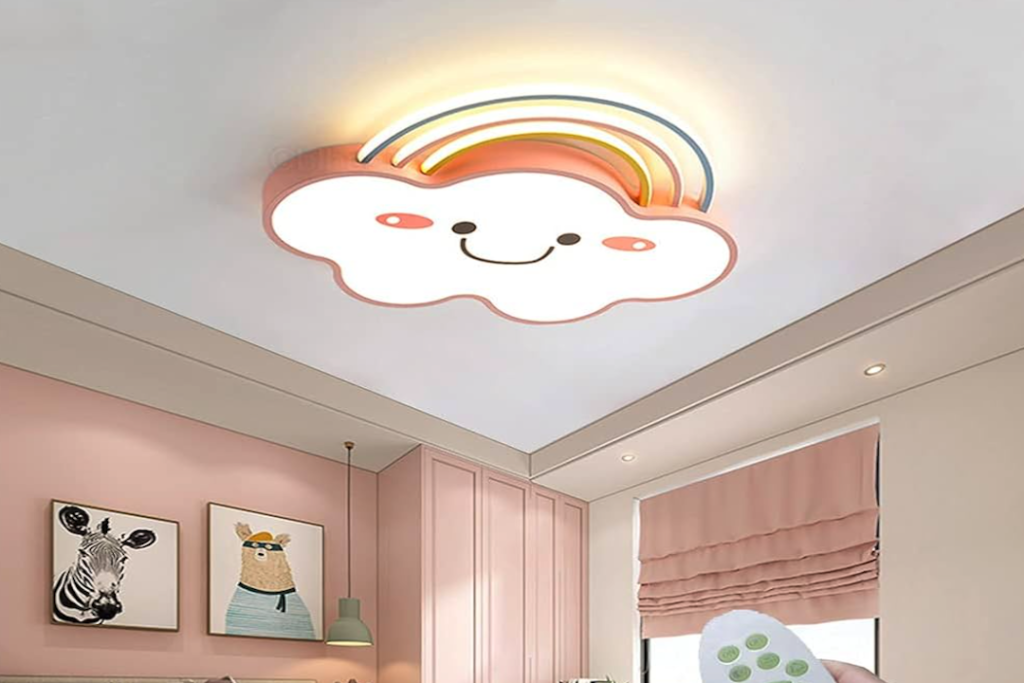
Ceiling light fixtures are integral to a room’s illumination, providing primary light and influencing atmosphere. For children’s bedrooms, these fixtures must balance practicality with appropriate design. Curved ceiling lights offer a distinct aesthetic, deviating from traditional linear or geometric forms. Their soft, flowing lines can introduce a sense of movement or organic shape, which may be beneficial in a child’s environment. This article explores the various facets of curved ceiling lights specifically for kids’ bedrooms, examining their design principles, functional benefits, safety considerations, and integration into overall room aesthetics.
The design of a curved ceiling light Iolamp is characterized by its non-linear forms. These curves can range from subtle undulations to pronounced arcs and spirals, creating a visual departure from standard flat panels or box-shaped fixtures.
Types of Curves
The spectrum of curved designs is broad. Each type presents different visual implications and suits distinct room styles.
- Subtle Arcs: These lights feature gentle C-shapes or elongated ellipses. They often appear as softened rectangles or squares, maintaining a structured feel while introducing a degree of fluidity. Such designs can be integrated into more traditional or transitional bedroom concepts without conflict.
- Wavy Forms: Inspired by natural elements like water or clouds, wavy designs incorporate multiple, continuous undulations. These fixtures can evoke a sense of playfulness and movement, making them suitable for themes focused on nature, sky, or imagination.
- Spiral Patterns: Spirals, often originating from a central point and expanding outwards, create a dynamic visual. They can draw the eye towards the center of the room or provide a focal point. These are generally more contemporary and can offer a sculptural element to the ceiling.
- Interlocking Rings: Designs featuring multiple curved rings, sometimes of varying sizes, that interlock or overlap. This creates a multi-dimensional effect, adding depth and visual interest without overwhelming the space.
- Asymmetrical Curves: Lights that incorporate non-repeating or irregular curved shapes. These designs are highly modern and can serve as artistic statements, introducing a unique, abstract element to the room.
Materiality and Finishes
The materials used in curved ceiling lights significantly impact their appearance, durability, and light diffusion.
- Diffuser Materials: Acrylic and frosted glass are common. Acrylic is lightweight, shatter-resistant, and can be easily molded into various curves. Frosted glass provides a more diffused, softer light, but is heavier and more fragile. Opting for materials with a matte finish can reduce glare.
- Frame Materials: Metal, such as aluminum or steel, is often employed for structural support. These can be finished in various colors, including matte white, brushed nickel, or vibrant hues, to match or contrast with the room’s palette. Wood is sometimes used for a natural, warmer aesthetic, particularly in designs with softer, more organic curves.
- LED Integration: Many modern curved lights integrate LED strips directly into the design. This allows for slim profiles and continuous lines of light, enhancing the fluid nature of the curves. The absence of traditional bulbs allows for greater design freedom.
Functional Benefits in a Child’s Bedroom
Beyond aesthetics, curved ceiling lights offer several practical advantages that align with the specific requirements of a child’s bedroom.
Even Light Distribution
The extended and often diffused surface area of curved fixtures can provide a more uniform light distribution compared to concentrated point sources. This reduces harsh shadows and bright spots.
- Reduced Glare: Diffusers covering the light source soften the intensity, preventing direct exposure to bright bulbs. This is particularly important for children, whose eyes may be more sensitive to intense light. Reduced glare can also contribute to a calmer environment.
- Comprehensive Illumination: A well-designed curved fixture can cast light across a broader area of the ceiling and walls, minimizing dimly lit corners. This comprehensive illumination supports various activities, from play to reading, without requiring numerous supplemental light sources.
Safety Considerations
Safety is paramount in children’s spaces. Curved ceiling lights, especially those suitable for kids’ rooms, often incorporate features that enhance safety.
- Shatter Resistance: Materials like acrylic, polycarbonate, or impact-resistant plastics are frequently used for diffusers. These materials are less prone to shattering compared to traditional glass, reducing the risk of injury from falling debris during rough play or accidental impact.
- Heat Emission: LED technology, common in curved fixtures, generates less heat than incandescent or halogen bulbs. This reduces the risk of burns if a child were to somehow make contact with the fixture (though ceiling fixtures are generally out of reach), and also lowers the risk of overheating.
- Secure Mounting: Proper installation is crucial. Most ceiling lights, including curved ones, are designed for secure attachment to ceiling joists or electrical boxes. Ensure that they are fixed firmly to prevent accidental dislodgement.
- Absence of Dangling Parts: Many curved designs are close-to-ceiling or semi-flush mounts, eliminating dangling cords or decorative elements that could pose a choking hazard or be pulled on by curious hands.
Space Optimization
The design of curved ceiling lights can contribute to a sense of openness and reduce visual clutter, a beneficial aspect in often-smaller children’s bedrooms.
- Visual Continuity: The smooth, uninterrupted lines of curved designs can make a room feel more expansive. They do not abruptly break up the ceiling plane as some rectilinear fixtures might, allowing the eye to flow naturally across the space.
- Non-Intrusive Design: Many curved fixtures are relatively low-profile, hugging the ceiling rather than hanging far down. This is advantageous in rooms for children, where extra head clearance is often desirable during play or as children grow taller.
- Reduced Visual Clutter: By integrating multiple light sources into a single, cohesive curved unit, the need for additional track lighting or numerous pot lights can be reduced. This keeps the ceiling plane cleaner and less visually busy, aligning with the often simple and bright aesthetic of children’s rooms.
Integration with Room Themes and Decor
A child’s bedroom often revolves around a specific theme or aesthetic. Curved ceiling lights can either seamlessly blend into these themes or act as a subtle complementary element.
Thematic Alignment
Curved lights offer a versatility that allows them to support a wide array of themes.
- Nature Themes: Wavy or spiral designs can evoke clouds, rivers, or orbiting planets. Lights with a matte white or soft blue finish can complement themes focused on the sky, space, or calm natural landscapes.
- Fantasy Themes: Abstract or flowing curves can suggest magical elements, pathways, or dreamlike states. Paired with soft, adjustable lighting, they can contribute to an ethereal or imaginative atmosphere.
- Modern and Minimalist: For contemporary children’s rooms, sleek, understated curved lights in monochromatic finishes like white or gray maintain a clean aesthetic while adding visual interest through form rather than excessive ornamentation.
- Playful Abstraction: Designs incorporating interlocking curves or irregular shapes can introduce an element of abstract playfulness without being overtly childish, making them suitable for rooms that will transition as the child grows.
Color and Finish Considerations
The color and finish of the fixture itself play a significant role in how it integrates into the room’s existing palette.
- Neutral Finishes: White, light grey, or brushed metal finishes are versatile. They act as a subtle complement to any room color scheme, allowing other decorative elements to take precedence. These are a safe choice for longevity as a child’s preferences may change.
- Vibrant Hues: For more playful or thematic rooms, curved lights in primary colors or pastels can be a feature. A red arc or a blue wave can reinforce a dominant color scheme. However, consider if such a strong color will remain appropriate as the child matures.
- Illumination Color Temperature: The color temperature of the light emitted (measured in Kelvin) affects the room’s mood. Warmer temperatures (2700K-3000K) create a cozy, inviting atmosphere suitable for bedtime. Cooler temperatures (4000K-5000K) provide brighter, more energetic light for activities and playtime. Adjustable color temperature features (tunable white) offer maximum flexibility.
Complementary Elements
The ceiling light should not exist in isolation. It should be considered as part of a larger lighting plan and overall decor strategy.
- Wall Colors: The fixture’s design should harmonize with the wall colors. A contrasting color can make the light stand out as a feature, while a matching color allows it to blend in subtil.
- Furniture Style: If the furniture is modern and streamlined, a sleek curved light will generally be more appropriate than a fixture with elaborate, traditional detailing. Conversely, a more ornate curve might suit a room with classic elements.
- Accent Lighting: Curved ceiling lights typically provide ambient illumination. Supplemental task lighting (e.g., a desk lamp) or accent lighting (e.g., a night light with a soft glow) should be chosen to complement, rather than conflict with, the primary ceiling fixture.
Smart Lighting Features and Control
Modern lighting technology offers advanced functionalities that enhance the utility of curved ceiling lights, particularly beneficial in a child’s bedroom environment.
Dimmability
Dimmable lights are a highly practical feature for children’s bedrooms.
- Adjustable Brightness: The ability to adjust light intensity allows for adaptable environments. Full brightness is suitable for play, homework, or cleaning. A lower setting provides comfort during quiet activities like reading or winding down before sleep, reducing visual strain.
- Nightlight Functionality: Dimmable lights can double as a subtle nightlight, providing reassurance without disrupting sleep. This can be particularly useful for younger children who prefer some ambient light during the night.
- Energy Efficiency: Dimming an LED light reduces its power consumption, leading to energy savings over time.
Color Changing (RGBW)
Some advanced curved LED fixtures offer the ability to change the light color.
- Mood Creation: RGBW (Red, Green, Blue, White) functionality allows parents or children to select colors that match moods or activities. A calming blue for bedtime, an energetic green for play, or a soft white for general illumination.
- Thematic Enhancement: Color-changing capabilities can significantly enhance room themes. For a space-themed room, a purple or deep blue light can simulate the night sky. For a nature-themed room, greens and yellows can evoke sunlight or foliage.
- Sensory Input: For children with specific sensory needs, adjustable light color and intensity can be a valuable tool for creating a more comfortable or stimulating environment as required.
Smart Home Integration
The integration of lighting with smart home systems offers convenience and enhanced control.
- App Control: Many smart lights can be controlled via smartphone or tablet applications. This allows parents to adjust settings remotely, dim lights from outside the room, or set schedules.
- Voice Control: Integration with voice assistants (e.g., Amazon Alexa, Google Assistant) permits hands-free operation. This is convenient for parents and can be an engaging feature for older children.
- Scheduling and Scenes: Smart lighting systems allow for the creation of schedules (e.g., dimming lights gradually as bedtime approaches) and scenes (pre-set combinations of brightness and color for specific activities). This can aid in establishing routines, a valuable aspect of a child’s daily life.
Installation and Maintenance
Proper installation and routine maintenance ensure the safety, longevity, and optimal performance of curved ceiling lights.
Professional Installation
While some smaller fixtures may be suitable for DIY installation by individuals with electrical experience, larger or more complex curved lights often benefit from professional installation.
- Safety Adherence: Electricians ensure that wiring is compliant with local electrical codes, reducing the risk of fire or electrical hazards.
- Secure Mounting: Professionals have the tools and expertise to securely mount fixtures, especially those that are heavy or require precise alignment, ensuring they will not become dislodged.
- Optimal Performance: Correct wiring and installation of dimmers or smart controls ensure the light operates as intended, optimizing its functional benefits.
Cleaning and Care
Routine cleaning maintains the aesthetic appeal and light output of the fixture.
- Diffuser Cleaning: Dust and grime can accumulate on diffusers, reducing light output. Use a soft, damp, lint-free cloth to gently wipe the diffuser. Avoid abrasive cleaners, which can scratch acrylic or damage finishes.
- Frame Cleaning: The frame can be wiped with a dry or slightly damp cloth. Check the manufacturer’s recommendations for specific cleaning agents, especially for painted or specialized finishes.
- Bulb Replacement (if applicable): If the fixture uses replaceable bulbs (less common with integrated LEDs), follow the manufacturer’s instructions for safe replacement, ensuring the power is off. Integrated LED fixtures typically have a long lifespan and do not require bulb changes.
Longevity and Future-Proofing
Considering the lifespan of the fixture is important for a child’s room as tastes and needs evolve.
- LED Lifespan: Integrated LED lights have a significantly longer lifespan than traditional bulbs, often lasting tens of thousands of hours. This means fewer replacements and reduced maintenance over time.
- Timeless Design: While themed lights can be appealing, opting for a curved design that is aesthetically versatile can ensure the fixture remains appropriate as the child grows and their bedroom decor changes from a “kids’ room” to a “teen room.” Neutral colors and classic curved forms tend to age better.
- Modular Designs: Some curved light systems offer modular components, allowing for expansion or modification in the future, providing a degree of adaptability.
In conclusion, curved ceiling lights for children’s bedrooms represent a convergence of design, safety, and functionality. Their atypical forms can introduce an element of visual interest and softness, while their practical attributes – including diffused light, safety-conscious materials, and efficient LED technology – align well with the specific needs of a child’s space. When properly selected and integrated, these fixtures become more than just light sources; they are components that contribute to the creation of an environment that is both nurturing and stimulating. As you consider illumination for a child’s bedroom, view the ceiling light not merely as a utility, but as an integral thread in the tapestry of their personal space.


More Stories
Mushroom Shaped Brushed Brass Pendant Light for Cozy Bedroom Glow
Creating a Vibey Apartment Aesthetic with Wavy Neon LED Strip Lights
Organic Modern Jade Green Clay Bedside Lamp