
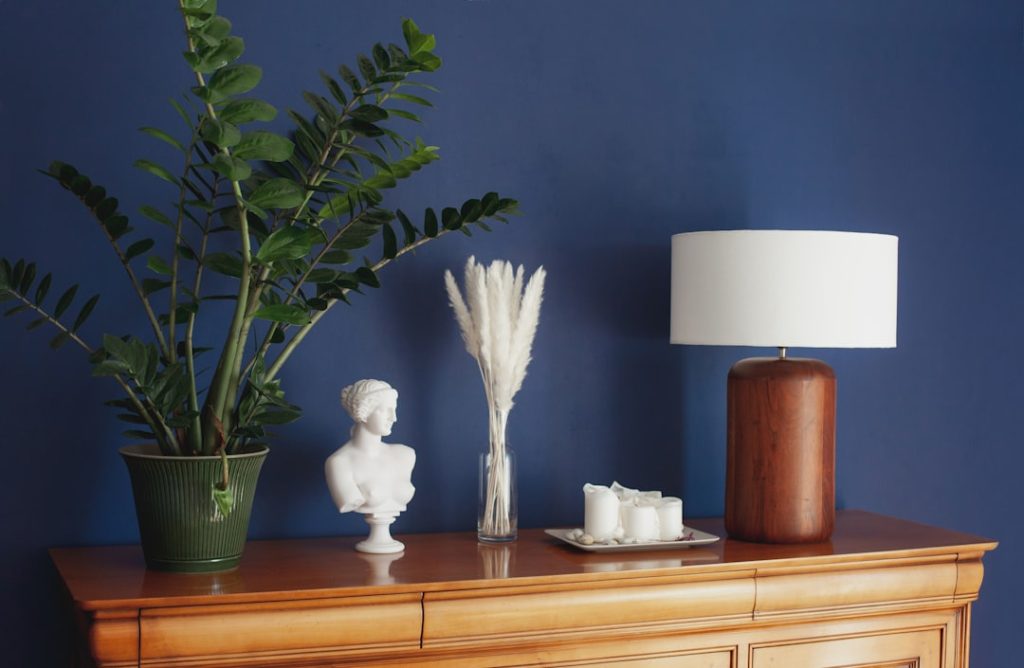
The relationship between human experience and light is fundamental. From the controlled flame of a primitive campfire to the incandescent glow of a modern bulb, illumination has shaped environments and dictated rhythms. Within the broader history of artificial light, the table lamp occupies a distinct and significant position. It is more than a mere light source; it is a sculpted object designed to interact with its surroundings, a functional art piece that contributes to both the practical and aesthetic dimensions of a space. This article explores the concept of “timeless elegance” as it pertains to modern living and iconic table lamps, examining how these luminaires transcend fleeting trends to remain relevant and desirable.
Iconic designs, whether in architecture, furniture, or lighting, possess a fundamental quality that allows them to resonate across generations. They often embody principles of good design: functionality, clarity of form, and a certain inherent aesthetic rightness. In the context of table lamps Yigo, this means a lamp that not only fulfills its primary purpose of providing light but also enriches the visual landscape of a room without dominating it.
Functionality Meets Form
A table lamp, at its most basic, illuminates a surface. However, an iconic table lamp integrates this function seamlessly with an elegant form. Consider the “Anglepoise” lamp, designed by George Carwardine in the 1930s. Its spring-balanced mechanism, initially inspired by human muscle articulation, allows for precise directional lighting. This mechanical ingenuity is not hidden; rather, it forms the coherent aesthetic of the lamp, a testament to industrial design that remains appealing. The Anglepoise demonstrates that utility can be inherently beautiful.
Materiality and Craftsmanship
The choice of materials and the quality of craftsmanship are critical determinants of a lamp’s enduring appeal. Iconic lamps often utilize materials such as brass, steel, aluminum, glass, and wood. These materials, when expertly worked, can convey a sense of durability and permanence. The “Pipistrello” lamp, designed by Gae Aulenti, employs a telescopic stainless steel stand and a diffusor of opaline methacrylate, which allows for both height adjustment and a soft, diffused light. Such lamps are not merely assembled; they are manufactured with attention to detail that elevates them beyond mass-produced items. This dedication to quality ensures that the lamp not only retains its beauty over time but also withstands the rigors of use.
A Historical Glimpse: Tracing the Evolution
The table lamp’s evolution is intertwined with advancements in lighting technology and shifts in interior design philosophies. From early oil lamps to gaslight fixtures adapted for tabletops, the form factor has continually adapted. The advent of electricity, however, truly liberated the lamp from its reliance on combustibles, opening up new possibilities for design.
The Art Deco Influence
The Art Deco period of the 1920s and 30s brought with it an emphasis on geometric shapes, rich materials, and a sense of streamlined luxury. Table lamps from this era often feature chrome, polished nickel, and frosted glass, reflecting the opulence and modernity of the period. Think of lamps with stepped bases or spherical diffusers, often with a theatrical flair. While specific designs may feel dated, the underlying principles of strong geometric forms and elegant material combinations continue to inform contemporary design.
Mid-Century Modern Minimalism
Following World War II, the Mid-Century Modern movement emerged, favoring clean lines, organic shapes, and a rejection of excessive ornamentation. Table lamps from this era, exemplified by designs such as those by Isamu Noguchi or Poul Henningsen, often prioritize simplicity and honest expression of materials. Noguchi’s Akari light sculptures, crafted from washi paper and bamboo ribbing, diffuse light with a poetic softness. Henningsen’s PH series, with its layered shades, was engineered to eliminate glare, demonstrating a commitment to human-centric lighting. These lamps are not just objects; they are carefully considered solutions to lighting problems, articulated through minimalist aesthetics.
Integrating Iconic Lamps into Modern Interiors
The challenge and reward of incorporating iconic table lamps into a modern living space lie in their ability to transcend temporal boundaries. They don’t simply exist in a room; they participate in its narrative.
The Principle of Juxtaposition
One effective strategy is to employ the principle of juxtaposition. Placing a classic, perhaps even antique, table lamp in a contemporary setting can create a dynamic tension that enhances both the lamp and its surroundings. A gleaming chrome Art Deco lamp on a minimalist concrete console table, for example, highlights the contrast between historical grandeur and modern austerity, allowing each element to stand out more prominently. This approach treats the lamp not merely as a light source but as a deliberate design statement.
Anchoring a Design Scheme
Iconic table lamps can also serve as anchors within a room’s design scheme. Their established presence and recognizable forms can provide a focal point or establish a sense of gravitas. A carefully chosen lamp can delineate a reading nook, provide soft ambient light in a bedroom, or add a touch of sophistication to a home office. Consider the emotional impact of a “Tolomeo” lamp by Michele De Lucchi and Giancarlo Fassina, its articulated arm extending gracefully over a workspace, signaling an environment of focused activity. The lamp’s functionality becomes integral to the function of the space.
The Role of Lighting in Atmosphere Creation
Beyond individual aesthetics, the light emitted by a table lamp is crucial for shaping the atmosphere of a room. Iconic lamps are often designed with specific lighting qualities in mind. Some provide a direct, focused beam suitable for task lighting, while others cast a soft, diffused glow that promotes relaxation. The warmth or coolness of the light, the intensity, and the presence or absence of shadows all contribute to the overall mood. A room illuminated solely by overhead lighting can feel harsh and uninviting. The addition of strategically placed table lamps introduces layers of light, creating depth and intimacy, akin to adding nuance to a flat canvas.
Investment in Enduring Style and Quality
To view an iconic table lamp merely as a purchase is to miss its deeper significance. It is an investment – an investment in design heritage, in quality craftsmanship, and in an enduring aesthetic.
Longevity and Durability
Unlike trend-driven pieces that quickly become dated, iconic lamps are built to last, both structurally and aesthetically. Their robust construction and use of quality materials mean they can endure decades of use. This longevity reduces the need for frequent replacements, making them a more sustainable choice in the long run. The initial cost may be higher, but the cost per year of ownership often proves to be lower than constantly replacing cheaper alternatives.
Resale Value and Collectibility
Many iconic table lamps retain or even increase their value over time, becoming collectible items. Rare editions, early productions, or lamps by celebrated designers can fetch significant prices in the secondary market. This aspect further underscores their status as tangible assets, transcending their utilitarian function. When you acquire an iconic lamp, you are not just buying an object; you are acquiring a piece of design history.
The Personal Connection
Beyond monetary value and aesthetic appeal, an iconic table lamp can foster a personal connection. It can become a cherished object, passed down through generations, imbued with memories and stories. It is a testament to discernment and appreciation for enduring design. This personal resonance is perhaps the most profound aspect of their timeless elegance. When you choose an iconic lamp, you are choosing an object with which you can forge a lasting relationship, a quiet companion in your daily life.
The Future of Timeless Elegance
The principles underpinning timeless elegance – functionality, quality, and aesthetic integrity – are not static. They adapt to new technologies and evolving societal needs. The integration of smart home technology, for instance, offers new avenues for interaction with classic lamp designs.
Smart Technology Integration
Modern interpretations of iconic lamps sometimes incorporate smart lighting features, allowing users to control brightness, color temperature, or even schedule illumination through apps or voice commands. This integration can enhance the user experience without compromising the lamp’s fundamental design. The “Arco” floor lamp, for example, with its parabolic arc, maintains its sculptural presence even as its internal components may become wirelessly controllable. This demonstrates that timeless design can embrace technological advancement, rather than resisting it.
Sustainability and Ethical Production
As environmental concerns become more pressing, the emphasis on sustainable materials and ethical production practices is growing. Future iterations of timeless table lamps will likely reflect these values, utilizing recycled materials, energy-efficient LED technology, and manufacturing processes that minimize environmental impact. The inherent longevity of iconic designs already contributes to sustainability by reducing waste, and this trend is likely to accelerate. Selecting lamps from companies committed to these practices aligns with a broader contemporary ethos.
Adaptability to Evolving Lifestyles
The concept of “modern living” is not fixed; it is a fluid landscape shaped by changing demographics, work patterns, and social structures. Iconic table lamps, by virtue of their adaptable nature, continue to find relevance in various contemporary lifestyles. They illuminate home offices, add character to compact urban apartments, and provide essential light in sprawling family homes. Their versatility is a cornerstone of their enduring appeal. The timelessness of these lamps is not about resisting change, but about possessing an inherent quality that allows them to adapt gracefully to new contexts, much like a well-crafted instrument can be played by many generations of musicians without losing its inherent quality. They are, in essence, design chameleons, capable of blending into diverse environments while maintaining their distinct identity.

More Stories
Creating Ambiance: Lighting Your Cafe Counter for Evening Service
Balcony Lighting: Overcoming Outlet Shortage
Lighting a Dressing Room for True Colors: A How-To Guide