
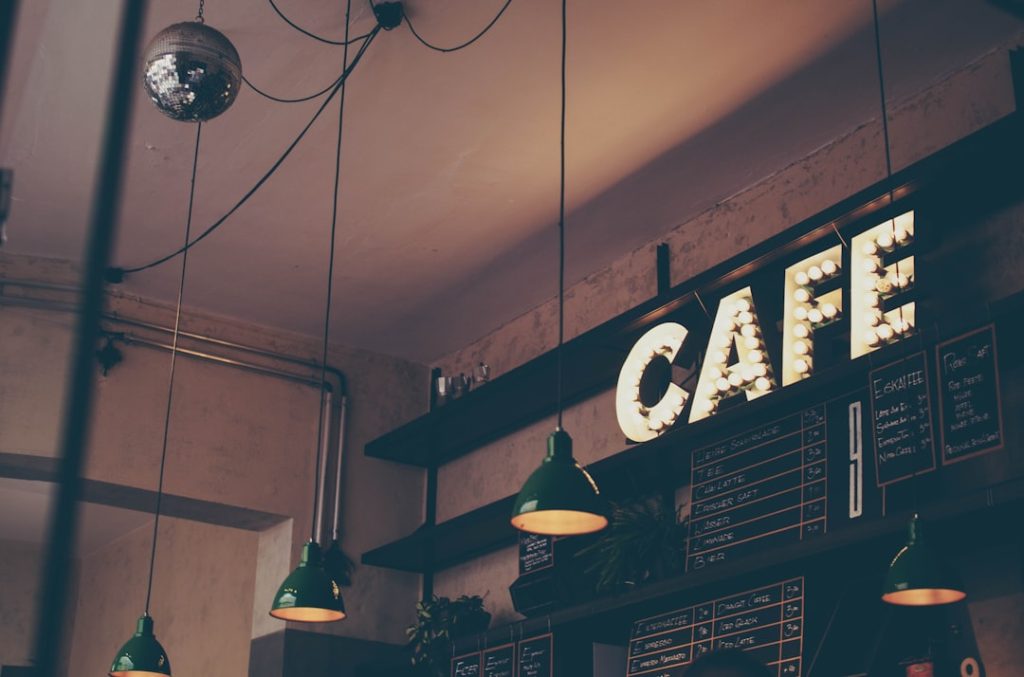
So, you’re looking to dial up the atmosphere in your cafe when the sun goes down? You’ve come to the right place. Lighting your cafe counter for evening service isn’t just about making things visible; it’s about crafting an experience. The right lighting can transform your counter from a functional workspace into a cozy focal point, drawing customers in and making them want to linger. Think of it as setting the mood – a warm hug for your patrons after a long day.
The Power of Warmth: Why Color Temperature Matters
When we talk about light, one of the most important things to consider is its “color temperature.” This isn’t about the actual color of the light, like blue or yellow, but rather the feeling it evokes.
Understanding Kelvin: The Scale of Warmth
You’ll see color temperature measured in Kelvin (K). The lower the Kelvin number, the warmer the light.
- Warm White (2700K – 3000K): This is your go-to for that cozy, inviting feel. It’s similar to the light from a traditional incandescent bulb or a flickering candle. Think of it as a gentle glow that makes everything look and feel a bit softer. This is fantastic for creating a relaxed ambiance where people can unwind.
- Neutral White (3500K – 4000K): This is a bit brighter and cleaner, closer to daylight. While it’s still pleasant, it leans more towards functional. It’s good for task lighting where you need to see details clearly, but for evening ambiance, you probably want to lean warmer.
- Cool White/Daylight (5000K+): This light is very bright and can feel stark or clinical, especially in the evening. It’s best suited for areas where precision is paramount, like a workshop, not for creating a welcoming cafe vibe.
Why Warmth is Key for Evening Service
In the evening, people are generally looking to relax, de-stress, and perhaps catch up with friends. Harsh, bright lighting can feel jarring and unfocused. Warm lighting, on the other hand, mimics natural sunset hues and creates a sense of intimacy and comfort. It makes the coffee look richer, the pastries more appealing, and the overall environment more conducive to conversation and enjoyment. Imagine sitting at a counter bathed in a cool, blue-ish light versus one bathed in a soft, golden glow. Which one would you choose after a busy day?
Layering Your Light: More Than Just One Bulb
Thinking about lighting as a single source is a common mistake. For a truly effective and inviting counter, you need to think in layers. Each layer plays a specific role in shaping the ambiance.
Task Lighting: The Unsung Hero
Even though we’re aiming for ambiance, functionality is still crucial. Your baristas need to see what they’re doing, and your customers need to see their drinks and food.
- Under-Cabinet Lighting: Small LED strips installed under the upper cabinets or shelves above the counter can provide a direct, focused light for your staff. This keeps your main counter area from feeling cluttered with overhead fixtures and ensures they can work efficiently and safely.
- Spotlights on Displays: If you have a display case for pastries or merchandise, targeted spotlights can highlight these items, making them irresistible. These should be adjustable so you can direct the light precisely where it’s needed.
Accent Lighting: Drawing the Eye
This is where you start to build that “wow” factor. Accent lighting is used to draw attention to specific features or create visual interest.
- Highlighting Materials: If your counter has a beautiful wood grain, interesting tile, or unique hardware, use accent lights to bring out those textures. Small, directional lights can create subtle shadows and highlights, adding depth and character.
- Creating Visual Pathways: Strategically placed accent lights can guide customers’ eyes towards ordering points or seating areas, subtly influencing their movement within the space.
Ambient Lighting: The Overall Mood Setter
This is the foundational light that sets the general tone of the counter area.
- Pendant Lights: These are a classic choice for counter lighting. They hang down and can provide both general illumination and a strong visual element. Choosing pendants with diffused shades (frosted glass, fabric, or woven materials) is key to avoiding harsh glare. The style of the pendant itself can also contribute significantly to your cafe’s aesthetic.
- Wall Sconces: Placed strategically on the wall behind the counter or on adjacent walls, sconces can cast a soft, diffused light upwards or downwards, contributing to the overall warm glow without directly shining on the counter surface.
Fixture Focus: Choosing the Right Styles
The actual fixtures you choose have a huge impact on both the quality of light and the visual appeal of your counter space. It’s not just about the bulb; it’s about the design of what holds the bulb.
Pendant Power: More Than Just Light
Pendant lights are incredibly versatile for counter lighting. They hang down and can be used in multiples or as a single statement piece.
- Shade Materials: Opt for shades made from materials like frosted glass, etched glass, fabric, or even natural elements like rattan or wood. These materials help to diffuse the light, preventing harsh glare and creating a softer, more inviting glow. Avoid clear glass unless you’re intentionally going for a very specific, industrial look and have dimmable bulbs.
- Placement and Spacing: The number and spacing of pendant lights will depend on the length of your counter and the desired effect. For a standard counter, two or three pendants spaced evenly can provide excellent coverage. For longer counters, you might need more. The goal is to create an even distribution of light, avoiding dark spots.
Sconce Sensibility: Adding Subtle Glow
Wall sconces can be a fantastic complement to pendants, especially for adding a softer layer of light.
- Uplighting vs. Downlighting: Sconces that direct light upwards can make the ceiling feel higher and create a sense of spaciousness, while downlighting can create a more intimate, focused atmosphere on the counter area below. Many sconces offer both options, or you can choose fixtures specifically designed for one or the other.
- Decorative Elements: Sconces can also be decorative in themselves, adding to the overall style of your cafe. Consider designs that complement your counter materials and overall interior design theme.
Recessed Lighting: Use with Caution
Recessed lights (pot lights) are often found in commercial spaces, but they can be tricky for creating ambiance.
- The Glare Factor: When placed directly over a counter, recessed lights can cause significant glare, especially for customers sitting at the counter. If you use them, ensure they are deeply recessed or use very wide-angle trims to spread the light out.
- Dimming is Essential: If you must use recessed lighting, make sure it’s on a dimmer switch. This allows you to control the intensity and significantly reduce the harshness.
Dimming and Control: Mastering the Mood
The ability to adjust your lighting is paramount. What works for a bustling Saturday morning might be too bright for a quiet Tuesday evening.
The Magic of Dimmers
A dimmer switch is your best friend when it comes to evening ambiance. It allows you to finely tune the brightness of your lights, transforming the mood as the evening progresses.
- Creating Gradual Transitions: As the day winds down, you can gradually dim the lights to create a more relaxed and intimate atmosphere. This subtle change cues your customers that it’s time to unwind.
- Energy Savings: Dimming lights also saves energy, which is a practical benefit for any business.
Smart Lighting Solutions
For ultimate control and flexibility, consider smart lighting systems.
- Programmable Schedules: You can program smart lights to automatically adjust their brightness and even color temperature throughout the day and evening. Imagine your lights gently warming and dimming as sunset approaches, without you having to lift a finger.
- Remote Access: Many smart systems allow you to control your lights via a smartphone app, giving you the power to make adjustments even when you’re not on-site. This is incredibly useful for last-minute tweaks or unexpected changes in crowd flow.
Zone Control: Different Lights, Different Needs
Think about controlling different lighting elements independently.
- Separating Task and Ambient: You might want your task lighting to remain at a functional level while dimming your ambient pendant lights for a cozier feel. This requires separate switches or a smart system that allows for zoning.
Beyond the Bulb: Unexpected Touches for Extra Ambiance
Once you’ve got the core lighting sorted, consider these little touches that can really elevate the atmosphere.
Fairy Lights and String Lights: For a Touch of Whimsy
Don’t underestimate the power of decorative string lights.
- Subtle Sparkle: Carefully placed strings of fairy lights or Edison-style bulbs can add a magical, twinkling quality. Drape them along shelves, around mirrors, or even weave them subtly into plant displays.
- Warm Tone is Key: Again, ensure these lights have a warm color temperature (2700K or lower) to maintain that cozy feel. Avoid cool or bright white string lights.
Candles (Real or LED): The Ultimate Ambiance Enhancer
A flickering flame is hard to beat for atmosphere.
- Safety First: If you use real candles, ensure they are in secure holders, away from flammable materials, and monitored at all times. Many cafes opt for high-quality LED candles that mimic the flicker of real flames without the safety concerns.
- Placement: A single candle on each table, or even a few strategically placed LED candles on the counter itself, can cast a beautiful, dynamic glow.
Using Natural Elements with Light
Integrate your lighting with your decor for a more cohesive look.
- Illuminating Plants: A small, directional light aimed at a beautiful potted plant can create interesting shadows and add a touch of life and natural beauty to the counter area.
- Reflective Surfaces: Consider how light will interact with any reflective surfaces near your counter, like mirrors or polished wood. This can help to bounce and diffuse the light, making the space feel larger and more inviting.
By thoughtfully considering these elements, you can transform your cafe counter into a captivating space that beckons customers in and encourages them to stay a while. It’s about creating a feeling, a mood, and a memorable experience that goes beyond just serving great coffee.
More Stories
Balcony Lighting: Overcoming Outlet Shortage
Lighting a Dressing Room for True Colors: A How-To Guide
Unique Handmade Braided Cotton Pendant Lights