
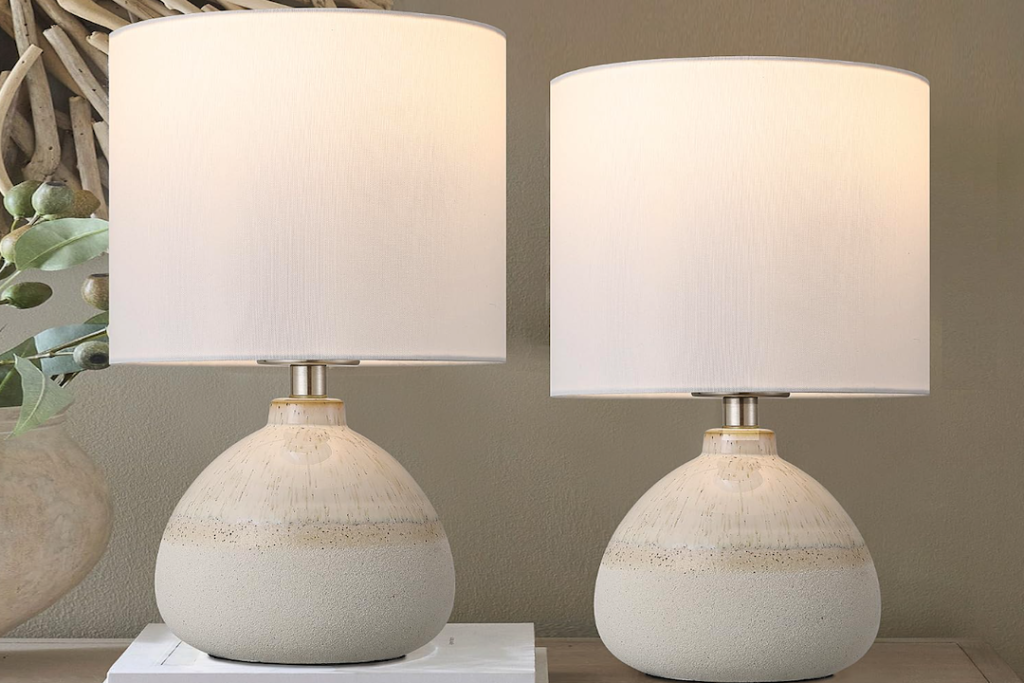
So, you’re thinking about ceramic table lamps for your bedroom? That’s a great idea! They can really bring a cozy, soft vibe to the space. Forget harsh overhead lights; ceramic lamps offer a gentle glow that’s perfect for winding down. Plus, they’re surprisingly versatile, adding a touch of artistry to your bedside or dresser.
The Warmth of Ceramic
When we talk about “soft” bedroom decor, ceramic just naturally fits the bill. It’s a material that feels warm to the touch and has a pleasing, slightly textured look whether it’s glazed or unglazed. This natural feel translates into a lighting Lumesdesign element that isn’t just functional but also contributes to the overall sense of comfort and tranquility in your bedroom.
Beyond Just Light
Ceramic lamps are more than just something to switch on when it gets dark. They’re decorative pieces in their own right. The variety in shapes, sizes, and finishes means you can find one that truly complements your existing style, whether that’s minimalist, bohemian, or classic. It’s about creating layers of light and texture, making your bedroom feel more intentional and lived-in.
Getting Started with Ceramic
If you’re new to this, don’t worry. It’s not about making drastic changes. It’s more about adding a few well-chosen elements. Ceramic table lamps are an accessible way to enhance your bedroom’s ambiance without a huge overhaul.
When you’re aiming for a “soft” bedroom atmosphere, the materials you choose play a huge role. Ceramic stands out for a few key reasons that make it a prime candidate for bedside lighting. It’s not just about how it looks; it’s about the inherent qualities of the material itself.
The Texture Factor
Think about it – ceramic has a natural, earthy texture. Even when it’s smoothly glazed, there’s a solidity and substance to it that feels grounding. This tactile quality is subtle but important in creating a cozy environment. It’s the opposite of cold, impersonal plastic or sleek, harsh metal. It speaks to a handmade, artisanal feel, even if the piece is mass-produced.
- Glazed Finishes: These offer a smooth, often reflective surface that can bounce light gently. Think of the subtle sheen on a beautiful stoneware mug. This can add a touch of understated elegance.
- Unglazed or Raw Finishes: These can have a more matte, porous appearance, which absorbs light beautifully, creating an even softer diffusion. This look often lends itself to more organic or minimalist styles.
Color Retention and Depth
Ceramics are fantastic at holding color. This means you have a huge range of options, from soft pastels that blend seamlessly with a serene palette to richer, deeper tones that can act as a grounding accent. The color is integral to the material, not just a surface coating, giving it a depth that paints or plastics often lack. This depth contributes to a more sophisticated and less artificial look.
- Earthy Tones: Think terracotta, warm beiges, soft olives, and muted blues. These colors are naturally calming and work wonderfully in a bedroom setting.
- Subtle Pastels: Dusty rose, pale lavender, mint green – these can create a dreamy, airy feel.
- Deep Hues: For a more dramatic, enveloping feel, consider deep blues, forest greens, or even charcoal.
Durability and Stability
Let’s be practical. Your bedside lamp is something you’ll likely interact with daily. Ceramic table lamps are generally quite sturdy. Their weight provides a good base, making them less likely to tip over accidentally, which is a plus if you have pets or young ones around. They’re also relatively easy to clean, usually just requiring a gentle wipe.
- Weight as a Feature: The heft of a ceramic lamp can make it feel substantial and well-made, adding to its appeal as a long-term decor piece.
- Resilience to Wear: While not indestructible, ceramic is more resistant to scratching and scuffing than some other materials, meaning it can maintain its good looks over time.
Finding the Right Ceramic for Your Style
The beauty of ceramic table lamps lies in their sheer variety. You can find pieces that fit almost any aesthetic, from the utterly simple to the elaborately decorative. It’s about finding that piece that speaks to you and enhances the overall mood you’re trying to create in your bedroom sanctuary.
Minimalist & Modern Bedrooms
If your bedroom leans towards clean lines and a decluttered feel, look for ceramic lamps with simple, geometric shapes and understated glazes.
- Cylinder or Sphere Bases: These offer a clean, unbroken silhouette.
- Matte Finishes: Opt for matte white, black, or natural unglazed finishes that absorb light and keep the focus on form.
- Subtle Textures: Even a subtle ribbing or a slight speckle can add interest without overwhelming the minimalist design.
Bohemian & Eclectic Bedrooms
For a more free-spirited vibe, don’t shy away from bolder shapes, patterns, and richer colors. These lamps can act as a focal point.
- Hand-Painted Designs: Look for floral motifs, geometric patterns, or abstract art applied to the ceramic.
- Terracotta or Earthy Tones: These evoke a natural, grounded feel that’s perfect for bohemian decor.
- Unusual Shapes: Think of lamps with bulbous forms, carved details, or even rustic, imperfect finishes.
Coastal & Scandinavian Bedrooms
These styles often favor light, airy spaces with natural textures. Ceramic lamps can beautifully complement this.
- Light, Neutral Colors: White, cream, pale blues, and soft greys are ideal.
- Textured Glazes: Look for crackled glazes, subtly speckled finishes, or even a slightly distressed look.
- Natural Materials: Pairing a ceramic base with a linen or rattan lampshade can enhance the natural feel.
Traditional & Classic Bedrooms
Even more formal settings can benefit from the warmth of ceramic. Focus on well-crafted pieces with refined finishes.
- Shapely Bases: Consider ceramic lamps with elegant curves, like urn shapes or pedestals.
- Rich Glazes: Jewel tones, deep blues, or even classic whites with subtle gold accents can work well.
- Paired with Classic Shades: Think of empire or drum shades in silk or linen to maintain a sophisticated look.
The Role of Light Quality and Shade Selection
Beyond the base, the light it emits and the shade it wears are crucial for achieving that soft, inviting bedroom ambiance. A beautiful ceramic base can be let down by a harsh light or an ill-fitting shade.
Warm vs. Cool Light Bulbs
This is perhaps the most impactful element for “soft” lighting.
- Warm White (2700K-3000K): This is your go-to for a cozy, relaxing atmosphere. It mimics the warm glow of incandescent bulbs and is ideal for bedrooms where you want to wind down.
- Cool White (4000K+): While useful for task lighting, cool white can feel sterile and less inviting in a bedroom. Avoid this if your primary goal is softness and relaxation.
Shade Materials and Their Impact
The lampshade is your lamp’s filter. It dictates not only how the light is diffused but also the overall aesthetic.
- Fabric Shades (Linen, Cotton, Silk): These are classic choices for a reason. They diffuse light beautifully, creating a soft, even glow. Linen offers a natural texture, cotton is versatile, and silk adds a touch of luxury.
- Linen: Excellent for a natural, slightly textured diffusion. It’s very forgiving and works with many decor styles.
- Cotton: Offers a clean, diffused light. Often comes in a wider range of colors and patterns.
- Silk: Provides a more refined, often a slightly more directed glow depending on the lining. Can be more delicate.
- Rice Paper Shades: Similar to fabric, they offer a gentle diffusion. They are particularly good for minimalist or Asian-inspired decor, providing a very soft, almost ethereal light.
- Glass or Frosted Shades: While some ceramic lamps come with integrated shades, if you’re choosing a separate one, a frosted glass shade can provide a very smooth, even light output.
The Art of Diffusion
The goal is to avoid glare and direct light. A good shade will soften the light bulb’s intensity, spreading it more evenly around the room. This is what transforms a lamp from a mere light source into a mood setter.
- Opaque vs. Translucent: Opaque shades direct light upwards and downwards, creating pools of light. Translucent shades allow light to pass through the sides, illuminating the shade itself and spreading light more broadly. For soft bedroom lighting, a balance is often best, with some light directed outwards and some diffused through the shade.
- Lining: The lining of a lampshade can also affect light. A white or off-white lining will reflect more light outwards, while a darker lining might absorb more, creating a subtler effect.
Strategic Placement for Optimal Ambiance
Where you place your ceramic table lamp can make a significant difference in how it functions and how it contributes to the overall softness of your bedroom. It’s not just about filling a space; it’s about creating purpose and balance.
Bedside Tables: The Classic Choice
This is the most common spot for a reason. Having light within easy reach as you read or prepare for sleep is incredibly practical.
- Symmetry vs. Asymmetry: Many people opt for two matching lamps on either side of the bed for a sense of balance. However, one larger lamp on one side paired with a different, perhaps smaller, light source on the other can create a more personal and less formal feel.
- Height Considerations: Ensure the lamp isn’t too tall that you’re looking directly into the bulb when seated, nor too short that it feels insignificant. The top of the shade should generally be at or just below eye level when you’re sitting up in bed.
- Cord Management: Think about how the cord will run. Using cord clips or running it behind furniture can keep the area tidy.
Dressers and Vanity Areas
A ceramic lamp can add a decorative touch and provide functional light for getting ready.
- Creating a Lit Nook: Even a small lamp can make a dresser feel like a designated dressing area, especially if complemented by a mirror.
- Layering Light: If you have overhead lighting, a table lamp provides a softer, more localized light source that reduces harsh shadows.
- A Touch of Artistry: A decorative ceramic lamp can elevate the look of a dresser, turning a functional piece of furniture into a more styled element of your room.
Shelves and Sideboards
Don’t overlook less obvious spots. A well-placed lamp can illuminate artwork, collections, or simply add a warm glow to a corner.
- Accent Lighting: Use it to highlight a favorite painting, a bookshelf, or a decorative object.
- Filling Empty Corners: A lamp can make an awkward or uninspired corner feel intentional and inviting.
- Balancing Larger Furniture: A lamp on a credenza or sideboard can balance the visual weight of a larger piece of furniture.
Windowsills (With Caution)
While possible, this placement requires careful consideration of heat and proximity to curtains.
- Heat Dissipation: Ensure the lamp won’t overheat or become a fire hazard near flammable materials. Ceramic itself doesn’t get as hot as some metals, but the bulb does.
- Cord Routing: You’ll need a discreet way to run the cord from an outlet.
- Aesthetic Appeal: A softly glowing lamp on a windowsill can create a lovely ambiance, especially at dusk, projecting a warm invitation from the outside.
Beyond the Base: Integrating the Lampshade and Bulb
The ceramic base is the heart of the lamp, but the lampshade and the bulb are its soul. They work in tandem to create the desired lighting effect, and getting them right is key to that soft, inviting bedroom glow.
The Crucial Role of the Lampshade Fit
The shape, size, and material of the lampshade are not arbitrary design choices. They directly impact how the light is cast and the overall aesthetic of the lamp.
- Shade Shape:
- Drum: Offers a clean, modern look and provides even light distribution.
- Empire: A classic, tapered shape that directs light downwards and outwards, good for reading.
- Bell: Similar to empire, but often with a more pronounced curve.
- Square or Rectangular: Can add a more geometric or contemporary feel.
- Shade Size: The shade should be in proportion to the ceramic base. A shade that’s too small can look awkward and may not diffuse light effectively. A shade that’s too large can overwhelm the base and cast too much downward light. A general rule of thumb is that the width of the shade at its widest point should be roughly twice the width of the lamp base at its widest point.
- Shade Depth: The depth of the shade influences how much light is exposed. A deeper shade can hide the bulb more effectively, creating a softer, more diffused light.
Bulb Selection: The Unsung Hero of Softness
You can have the most beautiful ceramic lamp and a perfect shade, but the wrong bulb will ruin the effect.
- Wattage vs. Lumens: Forget old incandescent wattage ratings! Focus on lumens for brightness (lower is generally softer for bedrooms) and Kelvin (K) for color temperature.
- Filament/LED Bulbs:
- Edison-style LED bulbs: These mimic the look of vintage filament bulbs with warm, amber tones. They are excellent for adding a decorative, soft glow.
- Standard LED bulbs: Look for those explicitly labeled as “warm white” or in the 2700K-3000K range. Many modern LEDs are dimmable, which is another huge plus for fine-tuning your bedroom ambiance.
- Dimmer Switches: If your lamp doesn’t have a built-in dimmer, consider using a smart bulb or a plug-in dimmer switch. This gives you ultimate control over the light intensity, allowing you to go from brighter task lighting to a very dim, mood-setting glow.
Material Pairings: The Synergy
Consider how the lampshade material complements the ceramic.
- Linen with Textured Ceramics: A textured ceramic base can be beautifully softened by the natural weave of a linen shade.
- Smooth Glazes with Sleek Shades: A smooth, high-gloss ceramic base might pair well with a more refined shade, like a silk or a fine cotton.
- Earthy Tones with Natural Fibers: Terracotta or raw ceramic bases often look fantastic with shades made from natural materials like rattan or jute for an organic feel.
Choosing the right ceramic table lamp is an enjoyable process that can significantly enhance your bedroom’s comfort and style. By considering the materials, shapes, and how the light is diffused, you can create a truly inviting and tranquil space.

More Stories
Mushroom Shaped Brushed Brass Pendant Light for Cozy Bedroom Glow
Creating a Vibey Apartment Aesthetic with Wavy Neon LED Strip Lights
Organic Modern Jade Green Clay Bedside Lamp