
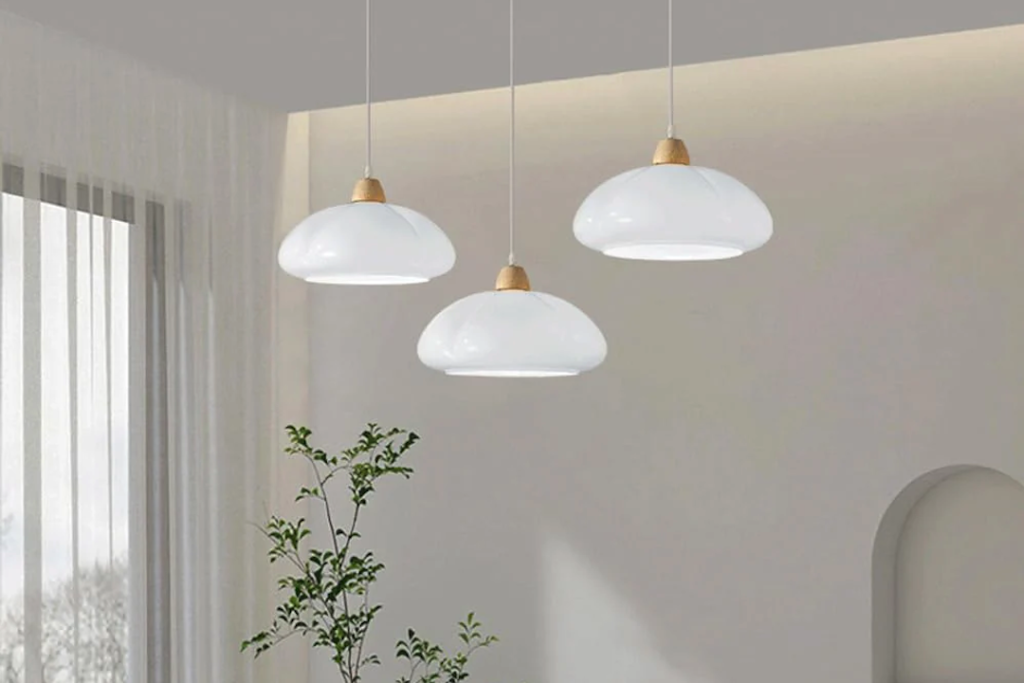
The Stylish Ribbed Glass Pumpkin Pendant Light is a type of decorative lighting fixture. Its design draws inspiration from the form of a pumpkin, characterized by its rounded shape and ribbed surface. The construction typically involves a glass shade, often with a ribbed texture, suspended from a ceiling by a cord or chain. This pendant light serves both functional and aesthetic purposes, providing illumination while acting as a decorative element in interior design. The term “stylish” denotes its contemporary appeal and suitability for modern or transitional decor.
Design Elements and Construction
The core of this pendant light’s appeal lies in its distinctive design. You will find that the pumpkin shape provides a visual cue that can evoke seasonal themes, particularly autumn, though its aesthetic can transcend specific holidays. The ribbed glass adds a tactile and visual dimension, influencing how light Simiglighting diffuses through the shade.
The Pumpkin Silhouette
The fundamental shape of this pendant is the pumpkin. This form is not necessarily a literal representation but rather an interpretation. The curvature and proportions are key to its visual identity. Designers often play with the degree of roundness to achieve different stylistic outcomes, from plump and inviting to more slender and elongated profiles. This silhouette can introduce a sense of organic form into a room, counterbalancing more rigid architectural elements.
Variations in Pumpkin Shape
You will observe that pumpkin pendant lights do not all share an identical form. Some may have a more pronounced stem or cap, acting as the point of attachment. Others might present a smoother, more abstract interpretation of the shape. The number and depth of the “ribs” can also vary, affecting the overall visual texture.
The Ribbed Glass Detailing
Ribbed glass is a common feature. This texture is achieved during the glass manufacturing process, where the molten glass is pressed or rolled against a textured surface. The ribs can be vertical, horizontal, or even diagonal, creating lines of light and shadow.
The Effect of Ribbing on Light Diffusion
The ribs play a crucial role in how light is distributed. They refract and diffuse the light, softening the direct glare from the bulb. This results in a more ambient and layered illumination. Think of it like a sieve for light, breaking up harsh beams into a gentler glow that spreads more evenly. The spacing and depth of the ribs influence the intensity and pattern of this diffusion.
Types of Ribbing Patterns
The most common pattern is vertical ribbing, which often accentuates the height of the pendant. Horizontal ribbing can create a wider, more diffused spread of light. Some designs incorporate a combination of ribbing directions for a more complex visual effect.
Material Composition
Beyond the glass, other materials are integral to the pendant light’s construction.
Metal Accents and Hardware
The suspension system, including the canopy, cord, or chain, and any decorative cap or stem, is typically made from metal. Common materials include brushed nickel, polished brass, oil-rubbed bronze, or matte black finishes. These finishes can significantly alter the overall aesthetic, from modern and sleek to vintage and industrial. The choice of metal can either complement the glass or provide a strong contrasting element.
Finish Options and Their Impact
A polished chrome finish, for example, will reflect light and contribute to a brighter, more contemporary feel. A matte black finish will absorb light and add a touch of drama and sophistication. The quality of the metalwork is also a factor in the durability and perceived value of the fixture.
Electrical Components
The internal workings of the pendant light include wiring, sockets for bulbs, and sometimes integrated LED components. The quality and safety standards of these electrical parts are paramount, though they are often concealed from view.
Aesthetic Applications and Versatility
The Stylish Ribbed Glass Pumpkin Pendant Light offers a range of aesthetic possibilities that allow it to be integrated into various interior design schemes. Its unique form can serve as a focal point or a subtle enhancement, depending on the surrounding decor.
Transitional and Modern Interiors
This type of pendant light is particularly well-suited to transitional interiors – spaces that blend traditional and contemporary elements. The classic pumpkin shape offers a nod to tradition, while the ribbed glass and often sleek metal finishes provide a modern sensibility.
Creating a Focal Point
When hung in a prominent location, such as over a kitchen island or dining table, the pendant light can become a statement piece. Its unique silhouette draws the eye and adds a distinctive personality to the space. The interplay of light and shadow created by the ribbed glass can also add a dynamic visual interest.
Layering with Other Decor
In a modern setting, a cluster of these pendant lights can offer a more contemporary take on the pumpkin motif. The repetitive yet varied forms can create a rhythmic visual flow.
Bohemian and Eclectic Styles
The organic shape and textured glass of the pumpkin pendant light can also complement bohemian and eclectic design styles. These styles often embrace unique, artisanal elements and a more relaxed approach to decor.
Adding Warmth and Texture
The amber or seeded glass variants, often found in pumpkin pendant lights, can contribute to a warm and inviting atmosphere, characteristic of bohemian aesthetics. The ribbed texture adds a layer of tactile interest that can pair well with natural materials like wood, rattan, and textiles.
Curating a Collection
In an eclectic space, a single pumpkin pendant light can act as a unique accent, or a carefully curated collection of varied sizes and colors can create a playful and artistic arrangement.
Seasonal Decor Enhancement
While the design is versatile enough for year-round use, the pumpkin silhouette inherently lends itself to seasonal decor, particularly for autumn and harvest themes.
Subtle Seasonal Accents
Even without overt holiday decorations, the pumpkin pendant light can introduce a subtle autumnal feel. Its shape serves as a gentle reminder of the season without being overtly thematic.
Integrating with Fall Color Palettes
When the glass has warm tones, such as amber or a soft orange hue, it can seamlessly integrate with typical fall color palettes. This can further enhance the seasonal ambiance of a room.
Beyond Autumnal Use
It is important to note that the appeal of this pendant light is not confined to the fall season. Its sculptural qualities and the way it manipulates light can be appreciated throughout the year. The “stylish” descriptor suggests that its design transcends mere seasonal novelty.
Installation and Lighting Considerations
Proper installation and thoughtful bulb selection are crucial for maximizing the aesthetic potential and functionality of your Stylish Ribbed Glass Pumpkin Pendant Light.
Direct Installation Process
Installation typically involves the following steps:
Securing the Canopy
The canopy, a decorative plate that covers the electrical box in the ceiling, is usually mounted first. This often involves attaching mounting hardware to the electrical box and then attaching the canopy to this hardware.
Wiring Connections
The pendant light’s wiring is then connected to the house’s electrical wiring. This usually involves connecting corresponding colored wires (e.g., black to black, white to white) and a ground wire. It is strongly recommended that this step be performed by a qualified electrician to ensure safety and compliance with electrical codes.
Attaching the Pendant
Once the wiring is complete and secured, the pendant light itself is attached to the mounting hardware. This might involve screwing it into place or using a hook and chain system.
Adjusting Suspension Length
The length of the cord or chain can often be adjusted to achieve the desired hanging height. This is an important step for both aesthetics and functionality, ensuring the light is at an appropriate level for the space.
Bulb Selection and Impact
The choice of light bulb significantly influences the light quality and the overall appearance of the pendant.
Bulb Types and Their Characteristics
- LED Bulbs: Energy-efficient and long-lasting, LEDs are available in various color temperatures. Warm white (around 2700K-3000K) is often preferred for ambient lighting, while cooler temperatures (4000K+) can provide a brighter, more task-oriented light.
- Incandescent Bulbs: While less energy-efficient, incandescent bulbs produce a warm, natural light that many find aesthetically pleasing. Dimmable versions offer further control over ambiance.
- Halogen Bulbs: Offer good color rendering but are less energy-efficient than LEDs.
Color Temperature and Its Effect
The color temperature of the bulb (measured in Kelvin) will affect how colors appear under the light and the overall mood of the room. Warmer tones create a cozy atmosphere, while cooler tones can make a space feel more modern and alert. The ribbed glass will further modify this light.
Wattage and Brightness
The wattage of the bulb determines its brightness. It is important to choose a bulb with appropriate wattage for the intended use of the space and the size of the pendant. Overly bright bulbs can cause glare, especially with transparent or clear glass shades.
Dimmer Compatibility
Many pendant lights are compatible with dimmer switches, allowing for adjustable brightness levels. This is a valuable feature for creating different moods and adapting the lighting to various activities throughout the day.
Lumens and Light Output
Lumens are the measure of a bulb’s brightness. A higher lumen count indicates a brighter bulb. When selecting a bulb, consider the lumen output needed for the specific area where the pendant will be installed.
Achieving Desired Ambiance
For general ambient lighting, a moderate lumen output might suffice. For task lighting above a kitchen island, a higher lumen output may be necessary. The ribbed glass will diffuse the light, so the direct lumen output might appear less intense than without the shade.
Considering the Shade’s Opacity
The degree of opacity of the ribbed glass will influence the perceived brightness. Denser ribbing or frosted glass will reduce the direct lumen output, creating a softer glow.
Maintenance and Care
Ensuring the longevity and continued aesthetic appeal of your Stylish Ribbed Glass Pumpkin Pendant Light requires proper maintenance.
Cleaning the Glass Shade
The ribbed glass shade is the most prominent visual element and thus requires regular attention.
Gentle Cleaning Techniques
For routine cleaning, a soft, lint-free cloth is usually sufficient. Slightly dampen the cloth with water or a mild, non-abrasive glass cleaner if needed. Avoid harsh chemicals or abrasive materials that could scratch or damage the glass surface.
Addressing Dust and Smudges
Dust can accumulate in the grooves of the ribbing, so a gentle wiping motion along the contours of the glass is recommended. Fingerprints and smudges can be addressed with a suitable glass cleaner, applied sparingly to the cloth rather than directly to the glass.
Avoiding Harsh Chemicals
Strong cleaning agents, such as ammonia-based cleaners or those containing alcohol, can sometimes opaque or damage treated glass finishes. It is always advisable to test any cleaner on an inconspicuous area first.
Maintaining Metal Components
The metal hardware also requires care to maintain its finish.
Polishing and Protecting Metal Finishes
For metallic finishes, the cleaning method will depend on the specific material. For example, brass may benefit from a brass polish to maintain its shine, while brushed nickel might be cleaned with a soft cloth and a mild soap solution. Always refer to the manufacturer’s recommendations for specific care instructions.
Protecting Against Corrosion
In humid environments, metal components can be susceptible to corrosion or tarnishing. Regular cleaning and drying can help prevent this. Some finishes are more durable than others.
Inspecting for Wear and Tear
Periodically, inspect the suspension cords, chains, and any electrical connections for signs of wear. Loose connections or damaged cords should be addressed by a qualified professional.
Bulb Replacement and Safety
When it’s time to replace a burnt-out bulb, safety and the correct bulb choice are important.
Safely Accessing the Bulb Socket
Ensure the power to the pendant light is switched off at the circuit breaker before attempting to replace a bulb. Allow the old bulb to cool completely before touching it. The method for accessing the bulb socket will vary depending on the fixture’s design. Some shades may unscrew, while others might have clips or retaining rings.
Choosing the Right Replacement Bulb
Always use the correct type and wattage of replacement bulb as recommended by the manufacturer. Using a bulb with a higher wattage than recommended could overheat the fixture and pose a fire hazard. Ensure the new bulb’s base (e.g., E26, E12) matches the socket.
Electrical Safety Checks
After replacing a bulb, ensure it is securely seated in the socket and that all parts of the fixture are properly reassembled before restoring power.
The Psychology of Light and Form in Interior Design
The Stylish Ribbed Glass Pumpkin Pendant Light is more than just a functional item; it is a carefully considered design element that engages with the principles of light and form in interior spaces. Its impact goes beyond mere illumination, influencing mood, perception, and the overall narrative of a room.
How Light Interacts with Ribbed Glass
The ribbed texture of the glass is not merely decorative; it is an active participant in shaping the light.
Diffusion and Softening of Light
As previously mentioned, the ribs act as a series of prisms, scattering and softening the direct emission of light. This process transforms harsh, direct light into a gentler, more diffused glow. Imagine a single spotlight being broken down into a multitude of smaller, softer beams. This diffusion is crucial for creating a comfortable and inviting atmosphere, preventing the direct glare that can cause discomfort or fatigue.
Creating Ambient and Task Lighting
Depending on the bulb and the density of the ribbing, this diffusion can serve a dual purpose. The softened light is ideal for creating ambient illumination, bathing the room in a warm, atmospheric light. However, when positioned strategically, such as over a workspace or dining area, the directional quality of the light, albeit softened, can still provide sufficient illumination for tasks.
Shadow Play and Depth
The linear nature of the ribs, combined with the light source, creates predictable patterns of light and shadow. These patterns can add a sense of depth and visual interest to surfaces. When the light source is not perfectly centered or the ribs are asymmetrical, the shadows may become more complex, adding a dynamic element to the room’s visual texture. This interplay of light and shadow creates a more layered and nuanced visual experience, preventing a space from feeling flat or two-dimensional.
Enhancing Textural Qualities of Surfaces
The shadows cast by the pendant can subtly highlight the textures of surrounding materials, such as wood grain, fabric weaves, or plaster finishes. This adds another layer of sensory engagement to the space, making it feel richer and more tactile.
The Evocative Nature of Form
The pumpkin silhouette, while often associated with autumn, possesses an intrinsic volumetric quality that can be interpreted in various ways.
Organic versus Geometric Forms
The rounded, organic form of the pumpkin offers a counterpoint to the typically rectilinear nature of interior architecture. This contrast can make a space feel more inviting and less sterile. The curves invite the eye to follow their natural flow, creating a sense of harmony and visual comfort.
Introducing a Sense of Comfort and Familiarity
Even without explicit seasonal cues, the rounded, inviting shape can subconsciously evoke feelings of warmth, comfort, and familiarity. It is a shape that is often found in nature and feels inherently approachable.
The Role of Scale and Proportion
The perceived size and scale of the pendant light, relative to the room and other furnishings, will greatly influence its impact.
Creating Visual Balance
A large, dominant pendant can act as a powerful anchor in a spacious room, while a smaller, more numerous cluster of pendants can provide a more delicate and distributed visual weight in a smaller area. The proportion of the pendant to its surroundings is key to achieving visual equilibrium.
####### Over-reliance on Adjectives
When describing its effect, it’s important to avoid succumbing to hyperbole. The pendant light’s contribution is one of carefully modulated light and form, rather than an overwhelming sensory experience. Its strength lies in its subtle integration and its capacity to enhance, rather than dominate, a space. The “chic” descriptor is a judgment of its aesthetic appeal within contemporary design contexts.
The Narrative of Light and Material
The combination of ribbed glass and specific material finishes tells a story about the overall design intent and the desired atmosphere of a space.
The Translucency and Opacity of Glass
The way light passes through the glass is a fundamental aspect of its appeal.
Achieving Different Moods Through Glass Type
The choice of glass type—whether clear, frosted, seeded, or colored—drastically alters the quality of light.
Clear Glass and Direct Illumination
Clear ribbed glass will allow for more direct light to pass through, albeit diffused by the ribs, and will also reveal the bulb within more clearly. This can contribute to a brighter, more defined lighting effect.
####### Frosted Glass and Soft, Diffused Light
Frosted ribbed glass will further soften and diffuse the light, creating an almost ethereal glow. This is ideal for creating a very gentle, ambient mood, minimizing any harshness. The ribs in frosted glass will still create linear patterns of light and shadow, but the overall effect will be much softer.
####### Seeded Glass and Textured Illumination
Seeded glass, which contains small air bubbles, adds a subtle textural quality to the light itself. These bubbles can catch the light and create tiny, sparkling highlights, adding a layer of visual intrigue. The ribbed texture, combined with the seeded effect, can produce a particularly complex and attractive light pattern.
The Influence of Metal Finishes
The metal elements of the pendant light are not mere structural components; they are integral to its visual language.
Complementing and Contrasting Materials
The choice of metal finish—polished chrome, brushed nickel, matte black, antique brass, or oil-rubbed bronze—can either harmonize with the glass or create a deliberate contrast, significantly altering the fixture’s overall character.
Modern and Sleek Aesthetics
Polished chrome or brushed nickel finishes, paired with clear or frosted ribbed glass, often contribute to a modern or minimalist aesthetic. These finishes are reflective and clean, aligning with the sensibilities of contemporary design.
####### Warm and Traditional Touches
Antique brass or oil-rubbed bronze finishes can lend a more traditional or rustic feel. These patinated finishes have a visual warmth that can complement the organic form of the pumpkin, making it feel more established and grounded.
####### Bold and Dramatic Statements
Matte black finishes can offer a contemporary and dramatic edge. When paired with ribbed glass, a matte black pendant can become a striking sculptural element, providing a strong visual anchor in a room.
The Interplay of Light and Metal
The way metal finishes interact with light is also important. Polished metals will reflect light, contributing to the overall brightness of the area. Matte finishes will absorb light, creating a more subdued and sophisticated appearance. This interplay of reflection and absorption adds to the fixture’s depth and visual interest.
The Material Narrative of the Fixture
Together, the glass and metal elements contribute to a material narrative. This narrative communicates the intended style and atmosphere of the space it inhabits. A fixture with clear ribbed glass and a polished nickel finish tells a different story than one with amber seeded glass and an oil-rubbed bronze stem. It is through this careful selection of materials and their inherent qualities that the pendant light becomes an integral part of the overall interior design.

More Stories
Bold and Bright: Wasabi Green Kitchen Island Track Light
Rustic Industrial Iron Wall Lamp: Perfect for Kitchen
27 Kitchen Lighting Ideas to Make Your Space Shine